
Quick Take: Dating During Divorce Virginia isn't technically illegal, but it can blow up your case faster than you'd think. Adultery is still a criminal misdemeanor in Virginia, and it can tank your spousal support, hurt your custody arrangement, and complicate your property division. The smartest move? Get a signed separation agreement first, keep things platonic until then, or wait until your decree is final. This guide breaks down exactly what's at stake, and how to protect yourself if you're thinking about moving on.
What's in this Guide
- The Honest Truth About Dating During Divorce in Virginia
- Virginia's Adultery Law: What Counts and What Doesn't
- How Dating Affects Spousal Support and Alimony
- Child Custody: The "Best Interests" Standard
- The "Holding Out" Trap You Need to Avoid
- Your Safest Path Forward: Separation Agreements
- When Waiting Makes Sense (And When It Doesn't)
- Frequently Asked Questions
The Honest Truth About Dating During Divorce in Virginia
Let's cut through the noise.
You're separated. Maybe you've been apart for months. You're lonely, you're ready to feel like yourself again, and you meet someone who makes you smile for the first time in forever.
So what happens if you go on a date?
Here's the reality: Virginia doesn't criminalize dating itself. You can grab coffee, go to dinner, or see a movie with someone new. However, you're still legally married until a judge signs your final divorce decree. That means anything beyond innocent companionship can create serious legal problems.
The state doesn't care if you've been living separately for a year or if your marriage has been dead for five. On paper, you're married. And if you cross certain lines, Virginia's fault-based divorce laws come into play.
Virginia's Adultery Law: What Counts and What Doesn't
Virginia Code § 20-91 defines adultery as voluntary sexual intercourse between a married person and someone who is not their spouse.
That's it. That's the line.
Adultery is classified as a Class 4 misdemeanor. While criminal prosecution is incredibly rare, the civil consequences during a divorce are very real.
What counts as adultery:
- Any sexual intercourse with someone other than your spouse while you're still legally married
- This applies even if you've been separated for months
- It doesn't matter if your spouse has also moved on
What doesn't count as adultery:
- Going on dates (dinners, movies, coffee)
- Spending time together in public
- Emotional connection or friendship
- Kissing or other non-sexual physical affection (though this can still look bad)
The distinction matters because proving adultery requires evidence of actual sexual relations. Text messages saying "I had a great time last night" won't cut it. But explicit messages, photos, or witness testimony about overnight stays can.

How Dating During Divorce Virginia Affects Spousal Support
Here's where things get expensive.
If you're hoping to receive spousal support (alimony), adultery can completely disqualify you under Virginia law. The statute is clear: a spouse who commits adultery may be barred from receiving support, even if they would otherwise qualify based on financial need.
Conversely, if your spouse commits adultery, you might have leverage to reduce or eliminate your support obligation to them.
Key points about adultery and spousal support:
- Courts have discretion to deny support entirely if adultery is proven
- Even if the judge doesn't bar support completely, the amount can be significantly reduced
- The burden of proof falls on the spouse alleging adultery
- Once adultery is established, it's nearly impossible to undo the damage
Think about it this way: if you're entitled to $2,000 per month for five years (that's $120,000 total), one intimate evening with someone new could cost you six figures.
That coffee date? Perfectly fine. That sleepover? Potentially catastrophic.
If you're navigating complex financial issues like retirement accounts or business assets, working with an experienced equitable distribution lawyer Virginia can help protect your interests before you make any romantic decisions.
Child Custody and the "Best Interests of the Child" Standard
Dating During Divorce Virginia doesn't just affect your wallet, it can impact your time with your children.
Virginia courts use the "best interests of the child" standard when making custody decisions. While dating itself isn't automatically disqualifying, judges look at how your choices affect your kids.
Factors courts consider:
- Whether you're introducing new partners to your children too soon
- If your dating interferes with your parenting time or responsibilities
- Whether your new relationship creates an unstable environment
- Any overnight visits while children are present
- How your spouse portrays your dating to the court
Judges are particularly sensitive to cases where a parent introduces a new romantic partner to young children during an active divorce. It can be seen as prioritizing your social life over your children's emotional stability during an already difficult transition.
Even if your dating doesn't rise to the level of adultery, a judge might reduce your parenting time if they believe you're not focused on your children's wellbeing.

The "Holding Out" Trap You Need to Avoid
Here's something most people don't realize: you don't have to commit adultery to hurt your divorce case.
If you and your new partner start acting like a married couple, living together, sharing finances, or presenting yourselves publicly as a committed unit, your spouse's attorney can argue you're "holding out" as married to someone else.
This matters for several reasons:
It undermines your need for support. If you're already living with a new partner who contributes financially, a judge might decide you don't need spousal support from your spouse.
It looks bad to the court. Even without proving adultery, your spouse can paint you as someone who moved on quickly and isn't focused on the family.
It complicates property division. If you're sharing expenses or commingling finances with a new partner, it can muddy the waters when dividing marital assets.
The takeaway? Keep your finances separate, maintain your own residence, and avoid public displays that suggest you've already moved into a new committed relationship.
Your Safest Path Forward: Separation Agreements in Virginia
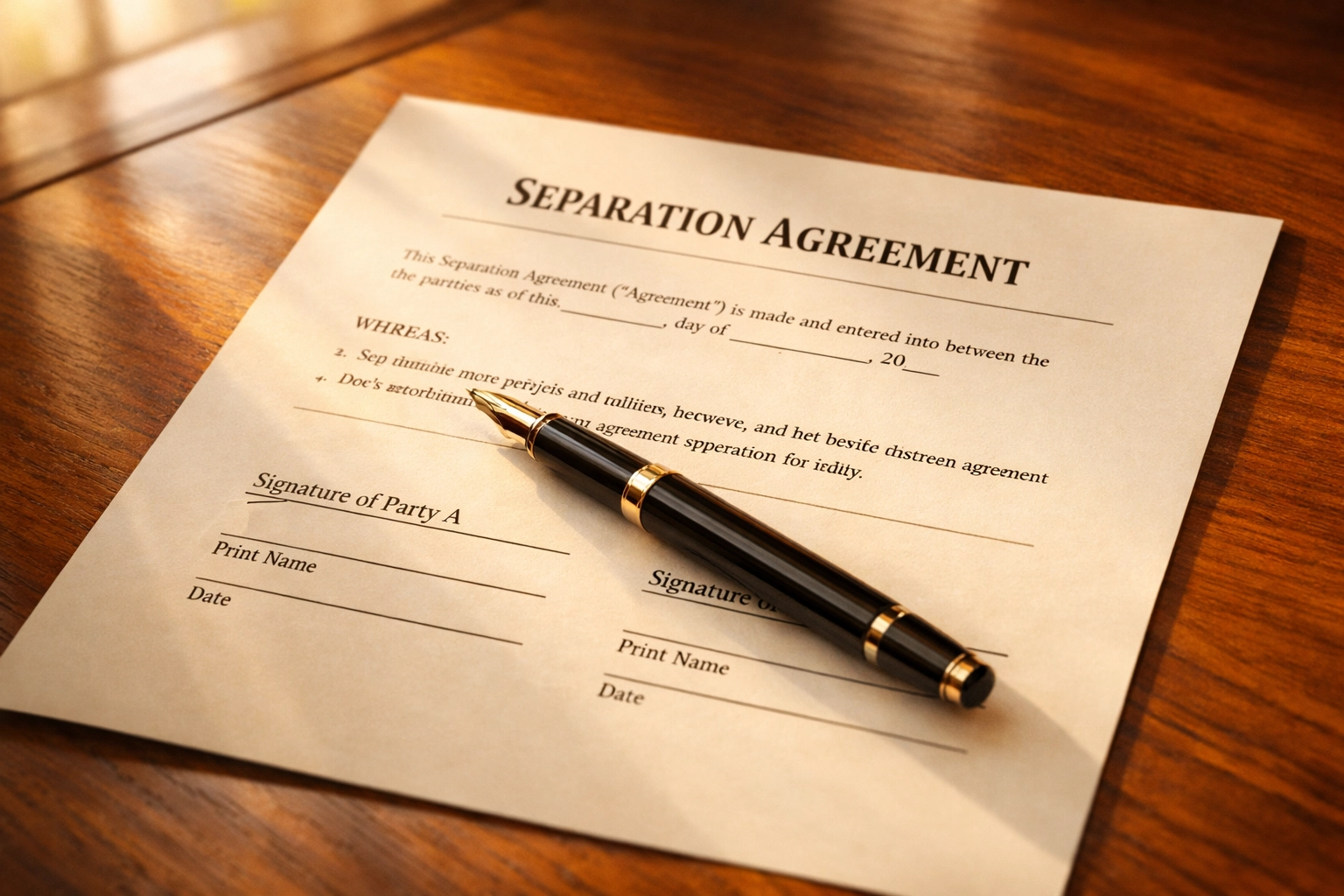
If you're serious about dating while your divorce is pending, there's one strategy that offers real protection: execute a signed separation agreement before you start seeing anyone.
A Marital Settlement Agreement (MSA) or separation agreement typically includes language stating both parties are "free to live as though single and unmarried." Once both spouses sign this agreement, you're essentially locking in the terms of your divorce, including spousal support amounts, custody arrangements, and property division.
Benefits of a separation agreement:
- Protects you from adultery claims affecting spousal support
- Prevents your spouse from renegotiating terms after you start dating
- Provides clarity and finality while your divorce is still pending
- Reduces conflict and legal expenses
The key is getting this agreement signed before you begin any romantic relationship. Once you've already committed adultery, the damage is done, and a separation agreement signed afterward won't erase it.
Work with an experienced family law attorney to draft a comprehensive separation agreement that protects your interests. This isn't a DIY project.

When Waiting Makes Sense (And When It Doesn't)
Let's be practical about timing.
The one-year rule: Under Virginia law, if you've been separated for one year, sexual relations with someone new are no longer considered adultery. This is your safest green light.
If you need spousal support: Wait. Seriously. No date is worth losing thousands of dollars in support payments. Keep your social life platonic until your divorce is final.
If you're not seeking support: You have more flexibility, but custody concerns remain. Consider how dating will look to a judge evaluating your parenting.
If your spouse has also moved on: Their dating doesn't give you a free pass, but it does level the playing field somewhat. Both of you could be vulnerable to adultery claims.
If you're miserable and isolated: Find support through friends, family, therapy, or support groups. You don't need a romantic partner to rebuild your life, you need a strong support system.
The honest answer is that waiting until your divorce is final is always the safest choice. But if you can't or won't wait, at minimum get a separation agreement in place and keep things platonic until then.

About the Author
Family Law Attorney — Fredericksburg, Virginia
Shawna L. Stevens is a family law attorney with more than 20 years of experience representing individuals and families in Fredericksburg and surrounding Virginia counties. Her practice focuses exclusively on divorce, custody, support, property division, and related family law matters in Spotsylvania, Stafford, King George, and Caroline counties.
Frequently Asked Questions About Dating During Divorce Virginia
Can I go on dates during my divorce in Virginia?
Yes, you can go on casual dates, dinner, coffee, movies. Virginia doesn't prohibit dating itself. However, any sexual relationship constitutes adultery and can have serious legal consequences, including loss of spousal support and potential custody issues.
What happens if I commit adultery during my Virginia divorce?
Adultery can bar you from receiving spousal support entirely, reduce the support amount, negatively affect custody decisions, and potentially influence how marital property is divided. It's a Class 4 misdemeanor in Virginia, though criminal prosecution is rare.
How does Virginia define adultery?
Virginia law defines adultery as voluntary sexual intercourse between a married person and someone who is not their spouse. You remain married until a judge signs your final divorce decree, so this applies throughout your separation.
Will dating affect my child custody case?
Dating itself won't automatically hurt your custody case, but courts consider whether your dating negatively affects your children. Introducing new partners too quickly, prioritizing dates over parenting time, or creating instability can all work against you under the "best interests of the child" standard.
Can I live with someone while my divorce is pending?
You can, but it's risky. Living with a romantic partner can be seen as "holding out" as married to someone else, which may reduce your claim for spousal support. It also raises concerns about your judgment in custody matters if children are involved.
Does a separation agreement protect me if I want to date?
Yes, if executed properly. A signed separation agreement typically includes language stating you're free to live as though single. This protects you from adultery claims affecting the terms of your divorce, but only if signed before you begin dating.
What if my spouse is also dating someone?
Your spouse's dating doesn't give you legal permission to commit adultery. Both of you could potentially face consequences. However, if both parties have moved on, it may reduce the incentive to use adultery as leverage in negotiations.
How long do I have to wait before dating is safe?
The safest option is waiting until your divorce is final. However, after one year of separation, sexual relations are no longer considered adultery under Virginia law. For maximum protection of spousal support and custody interests, wait for your final decree.
Can my spouse use social media to prove I'm dating?
Absolutely. Social media posts, photos, check-ins, and comments are commonly used as evidence in divorce cases. Even innocent posts can be taken out of context. Keep your social media private and avoid posting anything about new relationships.
Should I tell my lawyer if I'm dating someone?
Yes, immediately. Your attorney needs to know to properly protect your interests and strategize around potential issues. Surprises in court are never good, and your lawyer can only help if they have complete information.
Dating During Divorce Virginia is one of those issues where the legal answer and the human answer often conflict. You're rebuilding your life, and that's natural. But the stakes are high: potentially tens of thousands of dollars, time with your children, and a fair division of assets you worked years to build.
The smartest approach is patience and strategy. Get a solid separation agreement in place, keep relationships platonic until your divorce is final, and focus on the future you're building for yourself and your children.
If you're navigating a divorce in Fredericksburg, Stafford, or the surrounding area and have questions about how dating might affect your case, our team is here to provide honest, compassionate guidance tailored to your specific situation.
Divorce — Also Serving These Areas