
Deciding to end a marriage is rarely a simple choice, but it often represents the first step toward a more authentic and peaceful life. If you are beginning this journey in Caroline County, you are likely looking for clarity on how the local legal system operates and what your future might look like. A caroline county va divorce attorney can help you navigate the nuances of the Bowling Green court system, ensuring that your rights are protected as you pursue a clean slate.
The process of divorce in Virginia involves more than just signing papers. It is a transition that requires careful planning regarding your finances, your children, and your long term goals. In Caroline County, the Circuit Court handles these life changing matters. Understanding the local expectations and the recent changes in Virginia law will empower you to move forward with confidence and strength.
1. Understanding No-Fault Divorce Requirements
Most residents seeking a divorce in Caroline County choose the no-fault path. This option allows you to end the marriage without proving that one spouse was “at fault” through adultery, desertion, or cruelty. In Virginia, the primary requirement for a no-fault divorce is living separate and apart for a specific duration.
If you have minor children, you must live separately for at least one full year before filing. However, if you do not have minor children and you have a signed written separation agreement, this period may be reduced to six months. This waiting period is designed to ensure the decision is final, but it also provides a valuable window to work with a caroline county va divorce attorney to finalize property and support details.
2. The New Standard for Separation Intent
A significant legal update occurred in early 2025 that every person considering divorce must understand. The Virginia Supreme Court ruling in Lisann v. Lisann clarified the “intent” requirement for separation. Previously, some believed that intent only mattered at the beginning of the separation period.
The court has now clarified that you must maintain a continuous, uninterrupted intent to remain permanently separated throughout the entire statutory period. While a fleeting moment of doubt might not reset your clock, a meaningful attempt at reconciliation could restart the one year or six month waiting period. If you are pursuing a clean slate, maintaining clear boundaries and consistent intent is essential for your legal standing.
3. Navigating the Caroline County Circuit Court
All divorce cases in the county are heard at the Caroline County Circuit Court located in Bowling Green. While some preliminary matters regarding custody or support might begin in the Juvenile and Domestic Relations District Court, the final decree of divorce must come from the Circuit Court.
Furthermore, the local court culture in Caroline County tends to favor efficiency and clear documentation. Working with a caroline county va divorce attorney who understands the specific filing preferences of the local clerk’s office can prevent unnecessary delays. Your legal team should ensure that every motion and order is drafted precisely to meet the standards of the 15th Judicial Circuit.
4. Equitable Distribution of Marital Assets
Virginia follows the principle of equitable distribution when dividing property and debts. It is important to realize that “equitable” does not always mean a 50/50 split. Instead, the court looks at what is fair based on a variety of factors listed in Virginia Code § 20-107.3.
The court will categorize your assets into three groups: marital property, separate property, and hybrid property. Separate property generally includes items owned before the marriage or received as individual gifts or inheritances. Marital property includes almost everything acquired during the marriage. Identifying these assets early is a critical part of securing your financial future. You can learn more about how these categories are managed by reviewing our guide on 10 things to know about divorce.
5. Spousal Support and Alimony Considerations
Spousal support is not guaranteed in every Virginia divorce. The court determines whether support is necessary based on the financial needs of one spouse and the ability of the other spouse to pay. In Caroline County, judges consider the duration of the marriage, the standard of living established during the union, and the contributions each spouse made to the family.
Additionally, the court examines whether one spouse gave up career opportunities to support the household or the other spouse’s education. If you are concerned about your ability to maintain your lifestyle after the split, discussing spousal support options with your legal counsel is a high priority.

6. Child Custody and the Best Interests Standard
For parents in Caroline County, the well being of their children is the most important factor. Virginia courts use the “best interests of the child” standard to determine custody and visitation schedules. This is a comprehensive evaluation of the child’s age, the relationship with each parent, and the parents’ ability to cooperate.
Most families find that a collaborative parenting plan is more effective than a court-ordered schedule. However, if an agreement cannot be reached, the court will make the final decision. The goal is always to provide the child with stability and a meaningful relationship with both parents. Understanding the local approach to child custody can help you advocate for a plan that truly serves your children.
7. The Role of the Separation Agreement
A Property Settlement Agreement (PSA), often called a separation agreement, is the roadmap for your clean slate. This contract outlines how you and your spouse will handle every detail of your separation, from who keeps the family dog to how retirement accounts are divided.
Once signed, this agreement is legally binding. When the divorce is finalized, the agreement is typically incorporated into the final decree. Having a comprehensive PSA can turn a potentially contested and expensive court battle into an uncontested and streamlined process. A caroline county va divorce attorney can draft this document to ensure no detail of your future is left to chance.
8. Residency Requirements for Filing
To file for divorce in Caroline County, at least one spouse must have been a bona fide resident and domiciliary of Virginia for at least six months immediately preceding the filing. This is a jurisdictional requirement that cannot be waived.
If you or your spouse are members of the military stationed at nearby installations like MCB Quantico or Fort Gregg-Adams, special rules may apply regarding your residency and how your benefits are divided. Ensuring you meet these requirements is the very first technical hurdle your caroline county va divorce attorney will verify.

9. Timeline for Finalizing Your Divorce
The timeline for a divorce in Caroline County varies based on the complexity of your assets and the level of cooperation between spouses. An uncontested divorce with a signed agreement can often be finalized within a few months after the separation period ends.
Conversely, a contested divorce involving disputes over property or custody can take a year or longer to reach a final trial. By focusing on a “clean slate” mindset, many couples are able to prioritize mediation and negotiation, which significantly speeds up the legal process and reduces the emotional toll on everyone involved.
10. The Importance of Local Experience
Every jurisdiction has its own rhythm and expectations. Choosing a caroline county va divorce attorney who is familiar with the 15th Judicial Circuit provides you with a distinct advantage. Local knowledge means understanding how to present evidence effectively and how to navigate the specific administrative procedures of the Caroline County courthouse.
Shawna L. Stevens PLLC brings over 20 years of experience to the table, helping families move through these transitions with dignity and vision. We believe that divorce is not just an ending, but a powerful opportunity to redefine your life on your own terms. Our focus is on providing the compassionate legal guidance needed to turn your vision for a new beginning into a reality.
Frequently Asked Questions
Can I get a divorce in Caroline County if my spouse does not want one?
Yes, you can still obtain a divorce even if your spouse does not agree to it. Virginia law allows for a divorce to proceed once the statutory separation period has been met, regardless of the other party’s consent. Your caroline county va divorce attorney will help you serve the necessary papers and move the case forward through the court system.
How is child support calculated in Virginia?
Child support in Virginia is primarily calculated using a standardized formula known as the “guidelines.” This formula considers the gross monthly income of both parents, the cost of health insurance for the child, and any work related childcare expenses. The court may deviate from these guidelines in specific circumstances, but they serve as the baseline for most cases.
Do I have to go to court for an uncontested divorce?
In many cases, an uncontested divorce in Virginia can be handled through an “affidavit” process, meaning you may not have to physically appear in the Caroline County Circuit Court. Your attorney can submit the necessary sworn statements and the final decree to the judge for signature, provided all requirements have been met and both parties have signed the settlement agreement.
What happens to my retirement accounts in a divorce?
Retirement accounts, such as 401(k)s and IRAs, are often considered marital property to the extent they were earned during the marriage. These assets are subject to equitable distribution. To divide these accounts without triggering tax penalties, a special court order called a Qualified Domestic Relations Order (QDRO) is typically required.
Can I change my name back during the divorce process?
Yes, you can request to be restored to a former name or your maiden name as part of the final decree of divorce. This is a common step for those seeking a clean slate and is usually a straightforward part of the filing process in Caroline County.
What is the difference between legal custody and physical custody?
Legal custody refers to the right to make important decisions about a child’s life, such as their education, healthcare, and religious upbringing. Physical custody refers to where the child actually lives. In Virginia, it is common for parents to share joint legal custody even if one parent has primary physical custody.
How much does it cost to file for divorce in Caroline County?
The cost of a divorce involves court filing fees and the fees for legal representation. Every family law matter is different, and the total investment depends on the complexity of the issues and whether the case is contested. The best way to understand what your case may involve is to schedule a confidential consultation with our office.
Does adultery affect the divorce outcome in Virginia?
Adultery is a fault based ground for divorce in Virginia and can impact a spouse’s eligibility for spousal support. However, proving adultery requires “clear and convincing” evidence, which is a high legal standard. Even if adultery is proven, it may not significantly change how property is divided under equitable distribution rules.
Pursuing Your Future with Confidence
Transitioning into a new phase of life requires more than just legal paperwork; it requires a vision for what comes next. By understanding the procedures in Caroline County and working with an experienced caroline county va divorce attorney, you can protect your interests and ensure that your new beginning is built on a solid foundation.
If you have questions about your specific situation, the experienced team at Shawna L. Stevens PLLC is here to help. Contact our Fredericksburg office to schedule a confidential consultation at (540) 310-4088.
See also: Learn more about working with a family law attorney in Caroline County VA at Shawna L. Stevens PLLC.
Related Resources
About the Author
Family Law Attorney — Fredericksburg, Virginia
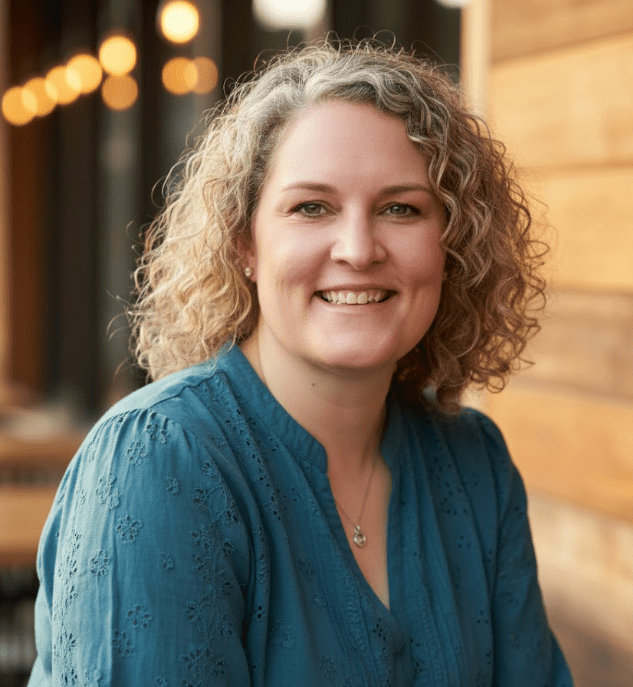
Shawna L. Stevens is a family law attorney with more than 20 years of experience representing individuals and families in Fredericksburg and surrounding Virginia counties. Her practice focuses exclusively on divorce, custody, support, property division, and related family law matters in Spotsylvania, Stafford, King George, and Caroline counties.