

Finding a spousal support lawyer in Virginia is one of the most significant steps you can take to protect your financial independence during a divorce. Spousal support, often referred to as alimony, is designed to balance the financial realities between two individuals as they transition into separate lives. In Stafford County and the surrounding Fredericksburg area, the courts do not use a simple math formula to decide long-term support. Instead, they look at the unique story of your marriage, your contributions, and your future potential to ensure a fair outcome.
The Foundation of Spousal Support in Stafford County
When you begin the journey toward a clean slate, understanding how the Stafford County Circuit Court views financial maintenance is essential. Spousal support is not intended to be a punishment or a lifelong windfall. Rather, it serves as a bridge to help a spouse maintain a standard of living similar to what was established during the marriage while they work toward self-sufficiency. Because every marriage has a different financial dynamic, the court has broad discretion in determining the amount and duration of these payments.
Additionally, the legal process often starts with “pendente lite” support. This is a Latin term meaning “while the litigation is pending.” This temporary support ensures that the lower-earning spouse can cover basic living expenses and legal fees while the divorce is being finalized. In Virginia, there are specific guidelines used for these temporary figures, but they often differ significantly from the final, long-term support orders issued at the end of a case.
The Three Primary Types of Alimony in Virginia
Most people assume that alimony lasts forever, but that is rarely the case in modern Virginia law. A skilled spousal support lawyer in Virginia will help you identify which category of support fits your specific situation. The goal is to create a plan that reflects the reality of your “Clean Slate” and your long-term goals.
The first and most common type is rehabilitative support. This is awarded for a specific period, such as three to five years, to allow a spouse to go back to school, finish a degree, or gain the work experience needed to enter the job market. Furthermore, this type of support acknowledges that one spouse may have sacrificed their career growth for the benefit of the family unit.
The second type is lump-sum support. Instead of monthly payments, the court may order a single, one-time payment. This can be beneficial for those who want a completely clean break without the need for ongoing financial ties or monthly interactions with a former spouse.
Finally, there is permanent periodic support. While “permanent” sounds indefinite, it typically lasts until the death of either party or the remarriage of the recipient. This is generally reserved for very long marriages where one spouse is unlikely to ever become financially independent due to age or health concerns.

How Stafford Courts Evaluate Your Financial Future
Virginia law, specifically Virginia Code § 20-107.1, outlines more than a dozen factors that a judge must consider when deciding on alimony. This is where the help of a divorce lawyer stafford va becomes invaluable. The court will examine the income and earning capacity of both parties, the duration of the marriage, and the standard of living established during the union.
Additionally, the court considers non-monetary contributions. If you stayed home to raise children or managed the household while your spouse built a business or climbed the corporate ladder, those efforts have significant legal value. The court also looks at the age and physical condition of each person. For example, a spouse in their 30s may be expected to return to work much sooner than a spouse in their 60s who has been out of the workforce for decades.
Most importantly, the court will evaluate the “circumstances which contributed to the dissolution of the marriage.” In Virginia, fault-based grounds like adultery can play a major role in spousal support decisions. Generally, a spouse who is found to have committed adultery may be barred from receiving support unless “manifest injustice” would result. This legal nuance is a critical part of protecting your future.
Modification and the Path Forward
Life is rarely static, and the financial landscape you have today might look very different five years from now. In Stafford County, spousal support orders are often modifiable unless your written agreement specifically states otherwise. This means that if there is a “material change in circumstances,” either party can petition the court to increase, decrease, or terminate the support.
Common reasons for modification include an involuntary job loss, a significant medical diagnosis, or the retirement of the payor. However, voluntary changes, such as quitting a high-paying job to take a lower-paying one, are usually not grounds for a reduction in payments. As a result, it is vital to have a clear understanding of the modifiability of your support order before you sign any final documents.
Furthermore, spousal support typically ends if the recipient remarries or if they cohabitate with another person in a relationship “analogous to marriage” for a year or more. This prevents a situation where one person is being supported by a former spouse while living in a committed financial partnership with someone new.
Strategic Planning for Your Financial Independence
Navigating alimony is about more than just numbers on a page; it is about reclaiming your narrative and building a foundation for the person you are becoming. By working with an experienced advocate, you can approach these negotiations from a place of strength rather than fear. Whether you are the spouse seeking support or the spouse expected to pay, the goal is a resolution that allows both parties to move forward with dignity.
In contrast to the high-conflict battles often seen on television, many spousal support issues in Fredericksburg and Stafford are resolved through mediation or collaborative negotiation. These methods allow you to maintain more control over the outcome and often lead to more creative financial solutions that a judge might not have the authority to order. Therefore, viewing spousal support as a tool for transition rather than a weapon of divorce is the first step toward your visionary future.

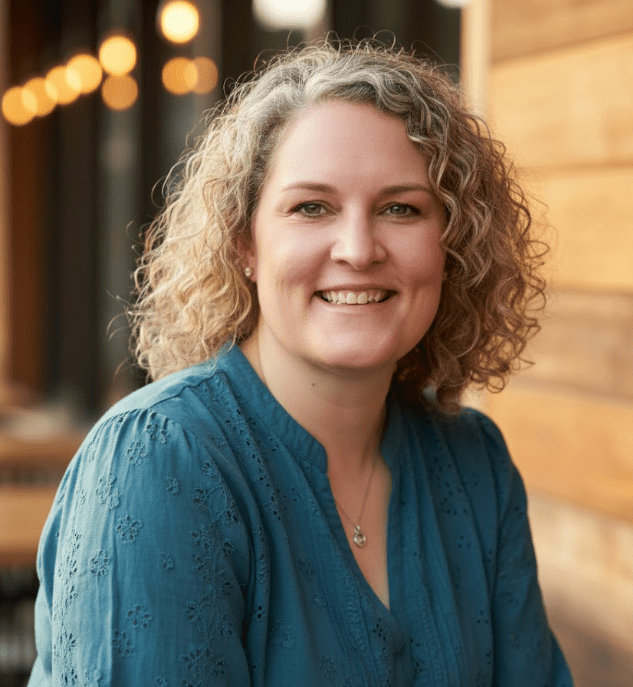
About the Author
Family Law Attorney — Fredericksburg, Virginia
Shawna L. Stevens is a family law attorney with more than 20 years of experience representing individuals and families in Fredericksburg and surrounding Virginia counties. Her practice focuses exclusively on divorce, custody, support, property division, and related family law matters in Spotsylvania, Stafford, King George, and Caroline counties.
Frequently Asked Questions
Is there a set formula for alimony in Stafford County?
No, Virginia does not use a fixed formula for final spousal support awards in the way it does for child support. While there are guidelines used for temporary “pendente lite” support, the final amount is based on a judge’s evaluation of several statutory factors including need, ability to pay, and the duration of the marriage.
Does adultery always stop someone from getting support?
In Virginia, adultery is a “bar” to spousal support, meaning the court generally cannot award support to a spouse who committed adultery. However, there is an exception for “manifest injustice,” where a judge may still award support if denying it would be fundamentally unfair based on the financial disparity and the history of the marriage.
How long do I have to be married to get spousal support in Virginia?
There is no specific minimum number of years required by law to qualify for support. However, the duration of the marriage is a major factor. A marriage of three years is much less likely to result in long-term support than a marriage of twenty-five years.
Can I stop paying support if my ex-spouse starts living with someone else?
If your court order or agreement includes a provision regarding cohabitation, you may be able to terminate support. In Virginia, if the recipient spouse lives with another person in a relationship analogous to marriage for a year or more, the court can terminate the support unless the agreement says otherwise.
What happens to spousal support if I lose my job?
If your support order is modifiable, you can file a motion with the Stafford County Circuit Court to reduce your payments based on a material change in circumstances. You must be able to prove that the job loss was involuntary and that you are making a good-faith effort to find new employment.
Securing Your Legacy
Your financial future is the cornerstone of your new beginning. Understanding the secrets of spousal support allows you to plan with clarity and confidence. Whether you are navigating the complexities of the Stafford County court system or negotiating a private separation agreement, remember that this phase is temporary. By focusing on a “Clean Slate” approach, you are not just resolving a legal matter; you are investing in your long-term peace of mind.
If you have questions about your specific situation, the experienced team at Shawna L. Stevens PLLC is here to help. Contact our Fredericksburg office to schedule a confidential consultation at (540) 310-4088.
Related Resources
Serving Your County
Shawna L. Stevens PLLC handles spousal support matters throughout the Fredericksburg region: Stafford County • Spotsylvania County • King George County • Caroline County • Orange County • Westmoreland County.