
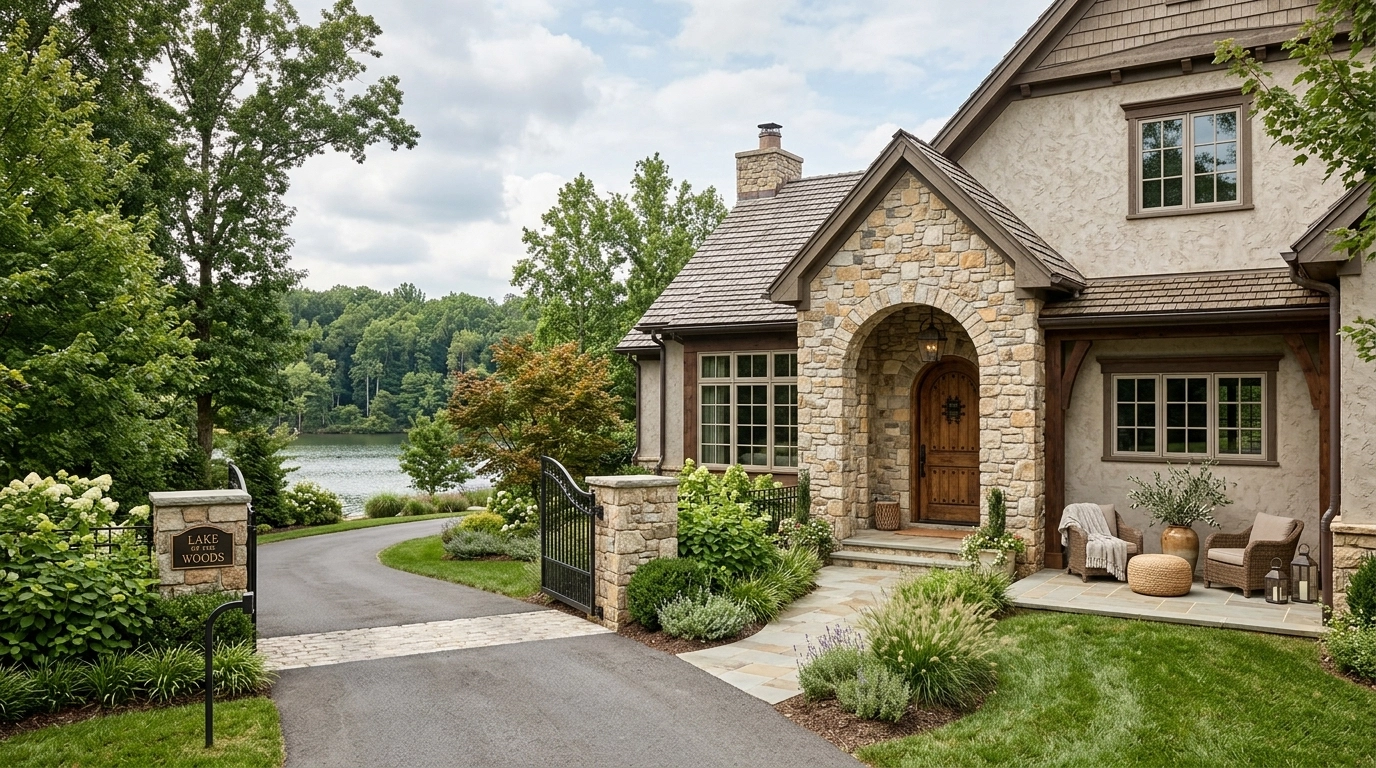
If you are facing divorce in Orange County and own a home in Lake of the Woods or another gated neighborhood, property division may feel more layered than a typical home valuation. You are not just dividing a house. You may also be dealing with membership privileges, recurring HOA obligations, shared community amenities, and a lifestyle that carries real market value. In many cases, those details matter when a high-value property is negotiated or presented to the court.
Virginia uses equitable distribution, which means marital property is divided fairly, not always equally. That matters in gated communities where value can be shaped by more than square footage alone. A buyer may be paying for lake access, security, golf, clubhouse privileges, private roads, or a strong resale market tied to the community itself. In Orange County, those features can become part of the bigger financial conversation.
With over 20 years of experience helping families in the Fredericksburg region and surrounding counties, Shawna L. Stevens PLLC understands how personal and high-stakes these cases can be. This guide walks through how HOA fees, amenities, and community-specific features can affect high-value home division in Orange County.
Why Gated Community Homes Are Different in Divorce
A home in Lake of the Woods or a similar community often carries layers of value that do not show up in a basic online estimate. The home itself matters, but the surrounding structure of the community can matter too.
More Than the House Itself
In many Orange County gated communities, ownership comes with access to amenities that shape market appeal. That can include lake privileges, golf access, club facilities, security features, and neighborhood maintenance standards. These benefits may influence how buyers view the property and what they are willing to pay.
Ongoing HOA Obligations
HOA dues and special assessments can also affect the financial picture. A home with premium amenities may be attractive, but the recurring cost of belonging to that community can impact affordability, negotiating leverage, and future budgeting after divorce.
Lifestyle as a Value Driver
For some couples, the property was part of a larger vision for family life. The neighborhood may have offered privacy, recreation, or status. While courts divide assets, not memories, that lifestyle context can still shape how the property is evaluated and whether one spouse wants to keep it.
How Virginia Equitable Distribution Applies to HOA Communities
Virginia courts divide marital property under equitable distribution rules. That process looks at fairness, not an automatic fifty-fifty split, and high-value gated properties can require a more careful analysis.
Marital vs. Separate Interests
If the home was purchased during the marriage, it is often presumed to be marital property, even if title is held in one spouse's name. However, separate property claims can arise if one spouse brought significant premarital funds into the purchase or made separate contributions later.
Valuation Matters
The court or the parties will need a reliable sense of what the property is worth. In a gated community, that may require looking beyond general county sales and focusing on comparable properties with similar amenity access, fee structures, and neighborhood appeal.
Division Does Not Always Mean Sale
Sometimes the home is sold and the proceeds are divided. In other situations, one spouse keeps the property and offsets the value with other assets. The best path often depends on affordability, equity, and whether keeping the home actually makes financial sense after divorce.
HOA Fees and Amenities Can Affect Property Valuation
HOA fees and amenities are not just background details. They can directly influence how a high-value home is valued in divorce negotiations or litigation.

Amenities May Support Higher Value
Homes in communities with private lakes, golf courses, trails, pools, fitness centers, or clubhouses may command stronger prices because buyers are paying for access to that lifestyle. In Orange County, a desirable amenity package can help support a higher valuation when compared to a similar home outside a gated neighborhood.
Fees Can Also Temper the Price
At the same time, high monthly or annual HOA dues may narrow the buyer pool. If a community has significant fees or upcoming assessments, those obligations can affect what a buyer is willing to pay. That means the amenities do not always raise value without limits.
Special Assessments and Future Costs
If the HOA is planning major repairs, infrastructure work, or capital improvements, those future costs may become important in settlement talks. A spouse keeping the home may also be taking on more than the mortgage. They may be taking on a larger long-term carrying cost.
Lake of the Woods Creates a Specific Orange County Context
Not every Orange County property division case involves the same kind of neighborhood structure. Lake of the Woods stands out because it blends residential ownership with a strong amenity-based community identity.
Amenity Access Has Market Significance
Buyers may be drawn to boating, waterfront access, golf, dining, security, and the broader lifestyle the community offers. That can make comparable sales more nuanced than they would be in a standard subdivision.
Community Rules Can Influence Use
HOA rules may affect leasing, renovations, exterior changes, or transfer requirements. Those restrictions can matter if one spouse wants to keep the property as an investment, use it part time, or prepare it for sale after divorce.
Budgeting After Divorce Looks Different
Even if one spouse is emotionally attached to the home, the real question is whether they can comfortably manage the full cost of staying there. Mortgage payments are only part of the picture. HOA dues, maintenance, insurance, and amenity-related expenses all matter.
When One Spouse Wants to Keep the House
It is common for one spouse to want to remain in the home, especially if the property represents stability or a long-term family goal. But keeping a home in a gated community should be evaluated with clear eyes.

Emotional Value vs. Financial Reality
Wanting to keep the home is understandable. However, post-divorce ownership must be sustainable. A property that felt manageable on two incomes may become a strain when one person is carrying the mortgage, dues, taxes, insurance, and upkeep alone.
Buyout Calculations Need Precision
If one spouse keeps the home, the other may need to be compensated through a buyout or an offset with other marital assets. That calculation depends heavily on accurate value, debt allocation, and any community-related financial obligations.
Refinance and Qualification Issues
In many cases, the spouse keeping the home must refinance to remove the other spouse from the mortgage. In a high-value property, qualifying on a single income can be a major practical hurdle, especially when HOA expenses are part of the debt-to-income picture.
Selling the Property May Be the Cleaner Option
For some couples, selling a gated community home creates the clearest path forward. It can turn a complex asset into something easier to divide and may reduce future conflict.
Sale Removes Shared Risk
Selling can prevent future disputes about repairs, dues, assessments, or market timing. Once the property is sold, both parties can move forward with a cleaner financial reset.
Timing Still Matters
If the Orange County market is strong for amenity-heavy homes, a sale may maximize value. If the market is softer or the HOA is facing expensive changes, timing may require a more strategic approach.
Preparation Can Affect Proceeds
Even in luxury communities, presentation matters. Needed repairs, deferred maintenance, or unresolved HOA issues can affect the final sale price and should be evaluated before listing.
Documentation Can Make or Break the Property Analysis
Good records help turn an emotional dispute into a manageable financial discussion. This is especially true when the home is part of a gated community with layered costs and benefits.
Useful Financial Records
Relevant documents may include the deed, mortgage statements, HOA bylaws, dues history, assessment notices, insurance information, tax records, and any recent appraisals or market analyses.
Community-Specific Information
It can also help to gather documentation showing what the HOA includes and what additional costs apply. A buyer's view of the property may change depending on whether dues cover security, road maintenance, recreational amenities, or little more than basic oversight.
Appraisal and Expert Input
In some cases, a standard valuation may not fully capture the effect of amenities or fee burdens. A more tailored appraisal can provide a better foundation for settlement discussions or court presentation.
Orange County Court and Negotiation Considerations
Many property division issues are resolved through negotiation, but the Orange County setting still matters. Local expectations, property types, and community-specific details can shape how a case develops.
Negotiated Settlements Often Work Best
When both spouses understand the real cost and value of the property, settlement becomes more realistic. That can be especially helpful in cases involving high-value homes, because trial can be expensive and unpredictable.
Court Focuses on Fairness
If the matter reaches court, the judge is not deciding which spouse loves the property more. The focus is on equitable distribution under Virginia law, supported by credible evidence about value, debt, and overall fairness.
Local Context Matters
Orange County properties in gated communities are not always easy to compare to standard residential homes. That is one reason local knowledge and a practical strategy matter when building a property division case.
Frequently Asked Questions
Are HOA fees considered when dividing a home in divorce?
Yes. HOA fees can affect affordability, marketability, and the practical value of keeping the home. They may not change ownership by themselves, but they often matter in negotiation and valuation.
Do amenities like golf or lake access increase the home's value?
They can. Amenities may make a property more attractive to buyers and support a higher value, especially in a community like Lake of the Woods. However, high dues or restrictions can also offset some of that benefit.
Can one spouse keep a gated community home after divorce?
Yes, if keeping the home is financially realistic and the overall division remains fair. That usually requires a clear valuation, a workable buyout structure, and a plan for mortgage and HOA obligations.
What if there is a special assessment coming?
A pending assessment can be important. It may affect the home's market value or become a point of negotiation about who will be responsible for that future cost.
Does it matter whose name is on the deed?
Not always. In Virginia, a home acquired during the marriage is often treated as marital property even if title is in one spouse's name. The full history of the property still matters.
Should we get an appraisal for a Lake of the Woods home?
In many cases, yes. A community-specific appraisal can be especially useful when amenities, fees, and neighborhood demand are all part of the value discussion.
Can HOA rules affect whether I rent the property after divorce?
Possibly. Some communities limit rentals or impose conditions on leasing. Reviewing the HOA documents is important before assuming the property can become an income-producing asset.
Do HOA amenities matter if we plan to sell anyway?
Yes. They may influence both buyer demand and the final sale price. At the same time, dues and assessments can affect how buyers view the property.
Is Orange County different from other Virginia property division cases?
The legal framework is the same statewide, but local housing patterns and communities like Lake of the Woods can make valuation more specialized.
Conclusion
Dividing a high-value home in Lake of the Woods or another Orange County gated community is about more than splitting real estate. It is about understanding the full economic picture, including HOA fees, amenities, market appeal, and long-term sustainability. The right strategy should protect both your financial footing and your future options.
At Shawna L. Stevens PLLC, we bring over two decades of focused family law experience to complex property division matters across the Fredericksburg region and surrounding counties. We help clients look beyond the obvious numbers and make thoughtful decisions grounded in both law and real life.
If you have questions about your specific situation, the experienced team at Shawna L. Stevens PLLC is here to help. Contact our Fredericksburg office to schedule a confidential consultation at (540) 310-4088.