If you are a resident of Westmoreland County considering adoption, understanding the specific legal requirements of the Virginia court system is the first step toward building your family. The legal path to parenthood involves meticulous documentation, court appearances, and a deep understanding of Virginia statutes.
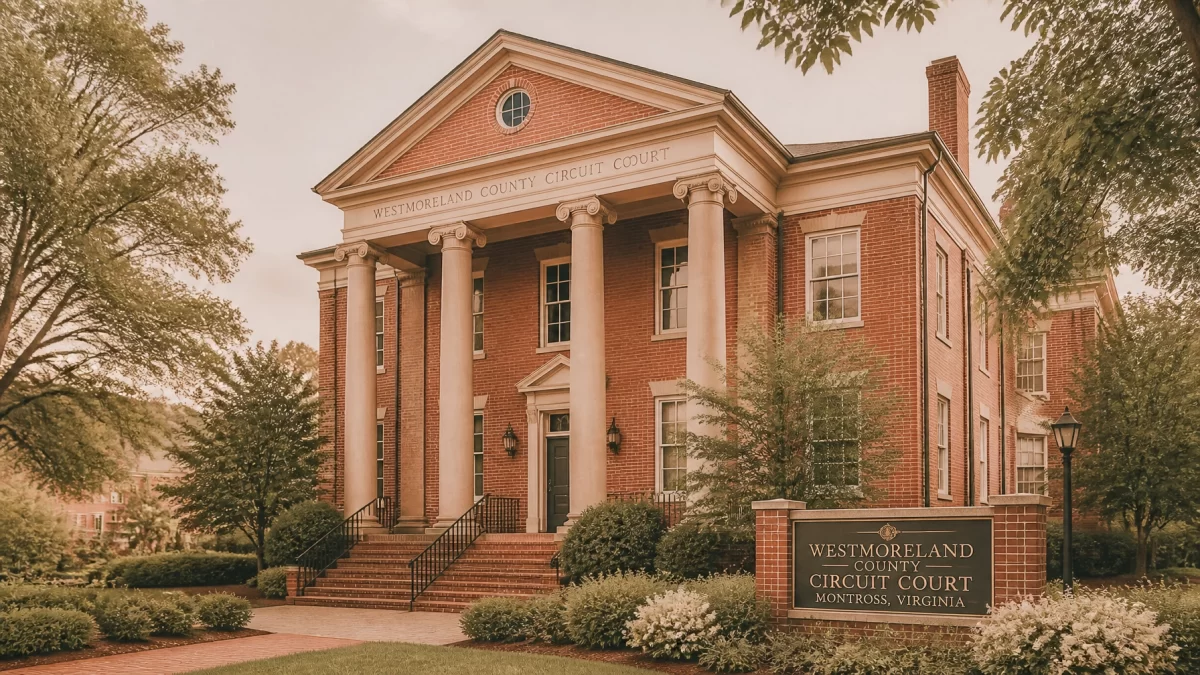
Adoption in Westmoreland County, Virginia is finalized through the Westmoreland County Circuit Court at 111 Polk Street in Montross. The process typically involves a home study, consent from biological parents, background clearances, and a six-month supervisory period before finalization. Virginia law recognizes stepparent, agency, and relative adoptions, each with specific procedural requirements.
Adoption law in Virginia is designed to prioritize the best interests of the child while protecting the rights of all parties involved. Whether you are pursuing a stepparent adoption, an agency placement, or a relative adoption, the procedural steps remain rigorous. While many individuals initially search for a family law attorney who handles adoptions to address related domestic matters, finding an attorney with specific experience in adoption is equally critical for long-term family security.
This guide outlines the essential steps to completing an adoption within the Westmoreland County legal system. From the initial home study to the final hearing at the courthouse in Montross, each phase requires careful attention to detail. Shawna L. Stevens PLLC provides the trusted guidance needed to manage these complex emotional and legal waters, ensuring your family's future is built on a solid legal foundation.
Exploring Adoption Options in Westmoreland County
Virginia law recognizes several different types of adoption, each with its own set of procedural nuances and requirements. Residents of Westmoreland County must first identify which category of adoption applies to their situation to ensure they follow the correct legal path.
The Dynamics of Stepparent Adoption
Stepparent adoption is one of the most common ways families are legally formalized in Virginia. In these cases, the spouse of a biological parent seeks to become the legal parent of the child, which often simplifies issues related to medical care, education, and inheritance. This process generally requires the consent of the other biological parent unless their rights have been previously terminated by a court.
Agency and Foster Care Placements
Agency adoptions involve a licensed child-placing agency that facilitates the transition of a child into an adoptive home. For families in Westmoreland County, this may involve working with the local Department of Social Services or a private agency. These adoptions often involve children who are in the foster care system and require a high level of coordination between the agency, the prospective parents, and the court.
Relative and Kinship Adoptions
Relative adoptions occur when a family member, such as a grandparent, aunt, or uncle, seeks to legally adopt a child already in their care. Virginia law often provides a slightly more streamlined path for relative adoptions, though the requirement to prove that the adoption is in the child's best interest remains a primary focus of the court. Whether you are going through divorce, custody, or adoption, a knowledgeable divorce attorney in Fredericksburg, VA can help you understand how these areas of law intersect. Families comparing procedures may also find it helpful to review the firm's adoption service page for a broader overview of Virginia adoption matters.
The Legal Authority of the Westmoreland County Circuit Court
The Westmoreland County Circuit Court holds the exclusive jurisdiction to finalize adoptions for residents of the county. All legal petitions and final orders must be processed through this specific court to be legally binding under Virginia law.
Filing at the Montross Courthouse
The Westmoreland County Circuit Court is located at 111 Polk Street, Montross, VA 22520. This historic location serves as the central hub for all civil legal matters in the county, including adoption petitions. Working with the clerk's office and ensuring all paperwork is formatted correctly for this specific jurisdiction is a task that benefits from local legal experience.
The Role of the Circuit Court Clerk
The Clerk of the Circuit Court is responsible for receiving adoption petitions, managing the case files, and collecting the necessary filing fees. While the clerk's office cannot provide legal advice, they ensure that the administrative requirements of the filing are met before the case is presented to a judge. Understanding the local filing customs at the Montross courthouse can prevent unnecessary delays in your case.
Judicial Oversight in Adoption Cases
In Virginia, a Circuit Court judge reviews the evidence, social worker reports, and consents before entering a final order. The judge must be satisfied that all statutory requirements have been met and that the adoption serves the child's best interests. This oversight ensures that the legal transfer of parental rights is handled with the gravity it deserves.

Step 1: The Preliminary Home Study and Background Clearances
Most adoptions in Virginia require a comprehensive home study conducted by a licensed professional to evaluate the fitness of the prospective adoptive parents. This step is a critical component of the "best interests" analysis performed by the court.
The Scope of the Social Worker Evaluation
A home study involves multiple interviews and home visits by a social worker. The goal is to assess the home environment, the stability of the family unit, and the readiness of the parents to meet the child's needs. The social worker will compile a detailed report that becomes part of the evidence submitted to the Westmoreland County Circuit Court.
Criminal and Child Protective Services Clearances
All prospective adoptive parents must undergo thorough background checks, including fingerprinting and searches of the Child Protective Services central registry. Any history of criminal activity or founded reports of child abuse can significantly impact the ability to adopt. These clearances are mandatory and must be kept current throughout the duration of the adoption proceedings.
Financial and Medical Documentation
Prospective parents are often required to provide documentation regarding their financial stability and physical health. The court seeks to ensure that the adoptive home is a stable environment where the child's needs will be consistently met. This transparency is a standard part of the adoption process across the Commonwealth.
Step 2: Obtaining Necessary Consents under Virginia Code
Securing the legal consent of the biological parents is often the most complex part of the adoption process. Virginia law provides specific frameworks for how and when these consents must be obtained and filed with the court.
Understanding Va. Code Section 63.2-1202
Under Va. Code Section 63.2-1202, the consent of various parties is required depending on the child's age and the nature of the adoption. For example, if a child is 14 years of age or older, their written consent is typically required. Furthermore, the consent of both biological parents is generally required unless specific legal exceptions apply, such as the termination of parental rights.
The Role of the Juvenile and Domestic Relations District Court
In many adoption scenarios, the initial proceedings regarding the consent or termination of parental rights take place in the Juvenile and Domestic Relations District Court. Once the issues of custody and parental rights are resolved there, the case moves to the Circuit Court for the finalization of the adoption. For parents managing both custody and adoption matters, custody lawyers in Fredericksburg, VA provide guidance on how JDR court proceedings affect the broader family law picture. Families often need guidance on related custody arrangements before moving to the final adoption phase.
Handling Withheld or Missing Consent
There are situations where a biological parent cannot be located or refuses to provide consent. In these cases, Virginia law allows for the court to waive the consent requirement if it finds that the parent is withholding consent contrary to the child's best interests. This requires a specific evidentiary showing and is a highly technical area of family law.
Step 3: Filing the Adoption Petition in Montross
The formal legal process begins with the filing of a Petition for Adoption at the Westmoreland County Circuit Court. This document serves as the official request for the court to recognize the adoptive parents as the legal parents of the child.
Drafting the Petition for Adoption
The petition must include specific details required by Virginia law, including the names and addresses of the petitioners, the child's birth information, and the legal grounds for the adoption. Accuracy is paramount, as errors in the petition can lead to the dismissal of the case or complications when seeking a new birth certificate later.
Required Exhibits and Attachments
When filing at the courthouse at 111 Polk Street, several documents must be attached to the petition. These typically include the original birth certificate of the child, the marriage certificate of the petitioners if applicable, the completed home study, and the necessary written consents. The clerk's office in Westmoreland County will verify that all required attachments are present at the time of filing.
Managing Filing Fees and Service of Process
The Westmoreland County Circuit Court requires a filing fee to open an adoption case. Additionally, if there are parties who must be formally notified of the proceedings, the petitioners must ensure that proper service of process is completed. This ensures that everyone with a legal interest in the child has been given due process under the law.
Step 4: The Interlocutory Order and Supervisory Period
In many non-stepparent adoptions, the court will first enter an interlocutory order rather than a final order. This serves as a temporary adoption period that allows for continued supervision by the court and social services.
The Purpose of the Interlocutory Order
The interlocutory order grants the prospective parents legal custody of the child while the court awaits final reports. This "probationary" period usually lasts for six months and is intended to ensure that the placement is successful and that the child is adjusting well to the new home environment.
Supervisory Visits and Final Reports
During the six-month period, a social worker will conduct periodic visits to the home. They will observe the interactions between the child and the adoptive parents and prepare a final report for the Westmoreland County Circuit Court. This report will provide a recommendation to the judge regarding whether the adoption should be finalized.
When the Interlocutory Order Can Be Waived
In certain circumstances, such as some stepparent or relative adoptions, the court may waive the interlocutory order and the six-month waiting period. This is often done when the child has already lived with the petitioners for a significant amount of time and the court determines that the additional supervision is not necessary to protect the child's interests.
Step 5: Finalizing the Adoption Process in Court
The culmination of the legal journey is the final hearing, where a judge signs the Final Order of Adoption. This moment marks the permanent legal union of the family.
Scheduling the Final Hearing
Once all reports are filed and the statutory waiting periods have passed, your attorney will schedule a final hearing with the Westmoreland County Circuit Court. This hearing is typically brief and is held in a closed courtroom to protect the privacy of the child and the family.
Entering the Final Order of Adoption
During the hearing, the judge will review the entire case file one last time. If satisfied, the judge will sign the Final Order of Adoption. This order officially terminates any remaining parental rights of the biological parents and establishes the petitioners as the child's legal parents for all intents and purposes.
Requesting a Legal Name Change
The Final Order of Adoption is also the mechanism used to change the child's legal name. Most families choose to give the child the surname of the adoptive parents, and this change is reflected in the final order signed by the judge. This provides the child with a consistent identity within the family unit.
Building Your Family with Trusted Legal Guidance
Adoption is a beautiful yet legally rigorous process that requires a dedicated advocate. Shawna L. Stevens PLLC understands the unique challenges faced by families in the Northern Neck and provides the practical guidance necessary to complete your adoption with confidence.
Shawna L. Stevens (VSB No. 65992) has practiced family law in Fredericksburg, Virginia for more than 20 years, representing clients across Stafford, Spotsylvania, King George, Caroline, Orange, and Westmoreland counties from her office at 307 Lafayette Boulevard, Suite 200, Fredericksburg, Virginia 22401. With a focus on compassionate representation and personalized strategies, the firm ensures that every detail of your adoption is handled with the highest level of care.
Families throughout the Fredericksburg region, from Stafford and Spotsylvania to King George, Caroline, Orange, and Westmoreland, have relied on Shawna L. Stevens PLLC for over 20 years. When you are ready to take the final steps toward building your family, having an attorney with deep local roots and extensive court experience can make all the difference.
Every adoption situation is unique. Shawna L. Stevens PLLC helps families throughout the Westmoreland County region complete their adoptions with confidence. Please note that the consultation fee is a standalone charge for professional analysis and is not applied as a credit toward future legal fees. Call (540) 310-4088 or schedule a confidential consultation online.
Frequently Asked Questions
Where is the Westmoreland County Circuit Court located?
The Westmoreland County Circuit Court is located at 111 Polk Street, Montross, VA 22520. All adoption petitions for county residents must be filed at this location to be processed by a judge who has jurisdiction over the matter.
How long does the adoption process take in Westmoreland County?
The timeline for an adoption can vary significantly based on the type of adoption and whether the interlocutory period is required. Generally, a standard adoption involving a six-month supervisory period takes approximately nine to twelve months from the initial filing to finalization. Shawna L. Stevens PLLC works diligently to ensure that each phase of the process moves forward as efficiently as possible.
Do I need a home study for a stepparent adoption in Virginia?
Virginia courts have the discretion to waive the home study requirement in stepparent adoptions under certain conditions. Under Va. Code Section 63.2-1241, the court may determine that a formal investigation is not necessary in certain stepparent adoption cases. This typically occurs when the child has lived with the stepparent for a period of time and the court finds that a formal study is not necessary to protect the child's welfare.
What is the difference between an interlocutory order and a final order?
An interlocutory order is a temporary order that initiates a supervisory period, while a final order is the permanent legal decree that completes the adoption. In many Westmoreland County cases, the interlocutory order serves as a transition period before the final hearing is held.
Can a child's last name be changed during the adoption?
A child's surname can be legally changed as part of the Final Order of Adoption. The petitioners must request the name change in their initial petition filed with the Westmoreland County Circuit Court, and the judge will include the new name in the final decree.
Does the biological parent always have to consent to the adoption?
Virginia law generally requires parental consent, but there are exceptions found in Va. Code Section 63.2-1203. If a parent's rights have been terminated or if the court finds that consent is being withheld contrary to the child's best interests, the adoption may proceed without that parent's signature. Shawna L. Stevens has extensive experience handling these complex contested consent issues.
What documents are required to file for adoption in Montross?
Petitioners must typically provide the child's original birth certificate, their own marriage certificate, any relevant custody orders from the Juvenile and Domestic Relations District Court, and the completed home study report. All documents must be submitted to the clerk's office at 111 Polk Street at the time the petition is filed.
How do I get a new birth certificate after the adoption is final?
Once the Final Order of Adoption is entered, the clerk of the court will send a report to the Virginia Department of Health, Division of Vital Records. The state will then issue a new birth certificate listing the adoptive parents as the parents and reflecting any name change authorized by the court.
If you have questions about your specific situation, Shawna L. Stevens PLLC is here to help. Contact the Fredericksburg office to schedule a confidential consultation at (540) 310-4088.
Ready to grow your family through adoption? With more than 20 years of experience in Virginia family law, Shawna L. Stevens can help. Learn more from an experienced Fredericksburg adoption lawyer or call (540) 310-4088 to schedule a confidential consultation.