
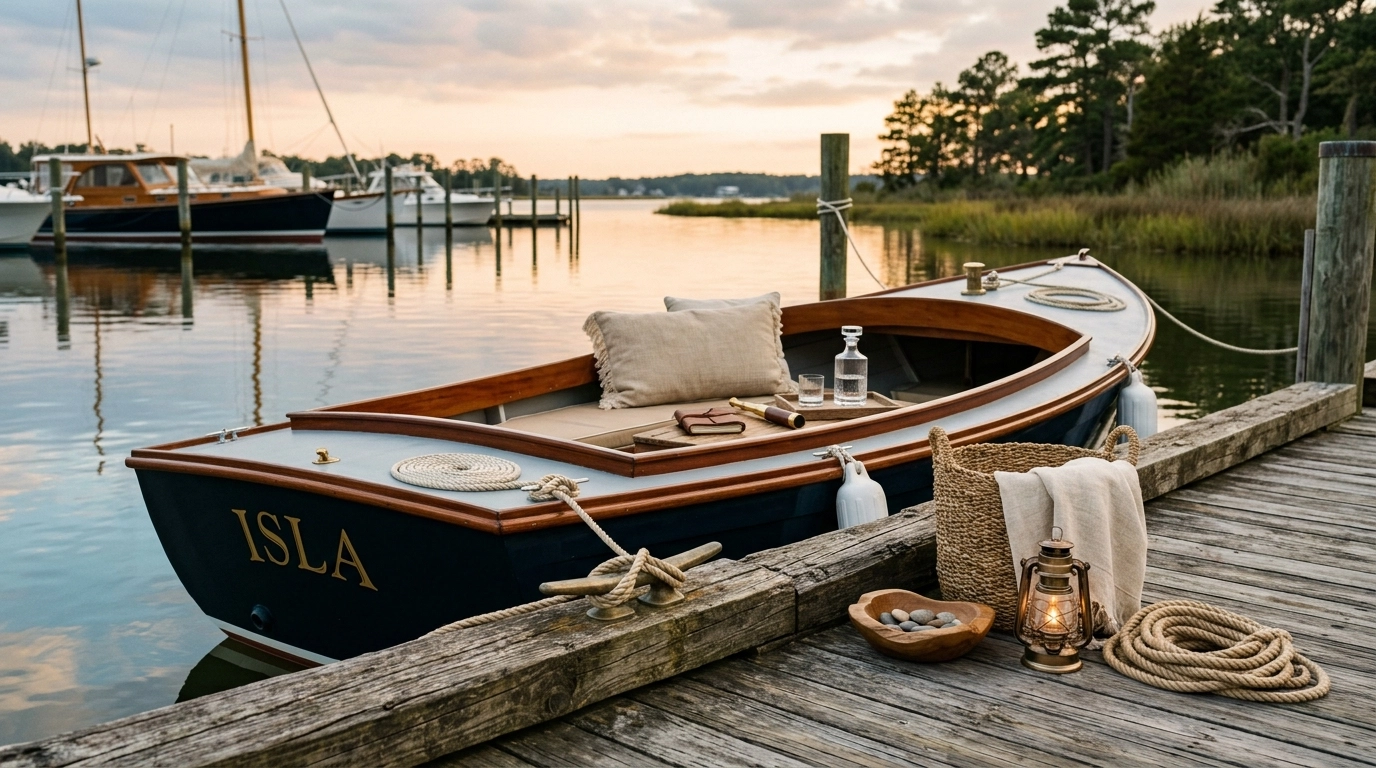
If you are divorcing in Westmoreland County and own a boat, dock rights, or marina-related property, the questions can get complicated fast. A boat may look like simple personal property on paper, but in real life it can carry financing, maintenance costs, storage fees, slip agreements, insurance, and deep emotional value. In the Northern Neck, where boating is part of daily life for many families, maritime assets often deserve much closer attention than people expect.
Virginia equitable distribution law does not create a separate category just for boats or marina interests. Even so, maritime assets can raise unique practical issues when spouses are trying to identify what is marital, what is separate, how an item should be valued, and whether keeping it makes financial sense. Shawna L. Stevens PLLC has spent over 20 years helping families in Westmoreland County and surrounding communities work through complex property division questions with a practical, steady approach.
Why Maritime Assets Matter in a Westmoreland County Divorce
In Westmoreland County, boats are often more than recreational purchases. They can be part of a family lifestyle, a small business operation, a long-term hobby, or a major financial asset. That means they should not be treated as an afterthought during property division.
More Than Just a Boat
A single watercraft can come with a trailer, electronics, maintenance equipment, dock boxes, safety gear, fishing gear, and ongoing marina obligations. If one spouse focuses only on the boat itself, important parts of the full asset picture can get missed.
A Local Northern Neck Reality
In the Northern Neck, access to marinas, slips, and waterfront storage can carry real value. Some families also have seasonal arrangements, club memberships, or long-standing marina relationships that affect how usable the asset really is after separation.
Emotional and Lifestyle Value
For some couples, the boat is tied to family memories. For others, it represents freedom, identity, or a business tool. That emotional weight can make negotiations harder, especially when one spouse wants to keep the asset and the other wants a fair offset.
How Virginia Equitable Distribution Applies to Boats and Marina Interests
Virginia follows equitable distribution. That means the court divides marital property fairly, which does not always mean equally. In Westmoreland County divorce cases, boats and related maritime property are usually analyzed the same way as other valuable personal property, but the facts matter.
Marital Property vs. Separate Property
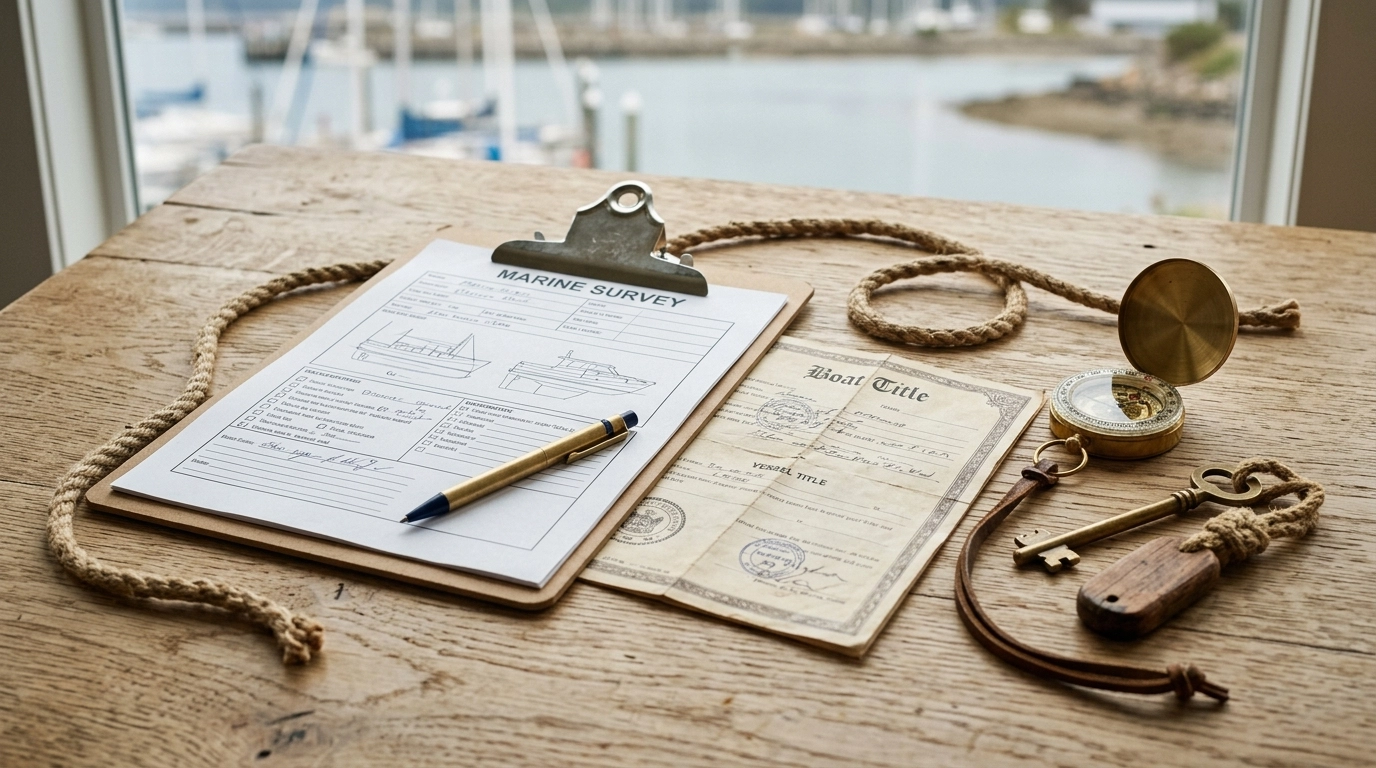
If a boat was purchased during the marriage with marital funds, it is often at least partly marital property. If one spouse owned it before marriage, inherited it, or bought it with clearly separate funds, part or all of it may be separate property. However, later improvements, loan payments, or refinishing paid during the marriage can blur that line.
Hybrid Property Issues
Some maritime assets become hybrid property, meaning part marital and part separate. For example, one spouse may have bought a vessel before marriage but upgraded engines, electronics, or storage using marital income. In that situation, tracing the source of funds can become very important.
Fair Does Not Always Mean Fifty-Fifty
A judge does not have to split each asset down the middle. One spouse may keep the boat while the other receives value through retirement funds, cash, or other property. The key question is whether the overall distribution is equitable under Virginia law.
Valuing a Boat in Divorce Is Often Harder Than People Expect
A boat's value is rarely as simple as looking up a number online. Condition, age, engine hours, upgrades, maintenance history, and market demand all matter. In some cases, the listed value and the real resale value can be very different.
Market Value vs. Sentimental Value
Courts focus on fair market value, not sentimental attachment. If one spouse believes the vessel is worth far more because of family memories, that emotional value usually does not control the legal analysis.
Marine Surveys and Appraisals
When the boat is valuable or the spouses disagree sharply, a marine survey or specialized appraisal may be useful. This can help establish condition, needed repairs, and realistic market value rather than a guess from memory or an optimistic listing price.
Debt Must Be Considered Too
If there is a loan on the boat, the debt matters just as much as the asset value. A vessel with strong resale value may still create little net value if a large balance remains. In some divorces, the real issue is not who gets the boat, but who takes the payment and upkeep.
Slip Agreements, Marina Contracts, and Storage Rights Can Complicate Division
Many divorcing spouses focus on the vessel and overlook the contract tied to where it is kept. In the Northern Neck, slip agreements and marina arrangements can be just as important as the boat itself.
Not Every Slip Is Freely Transferable
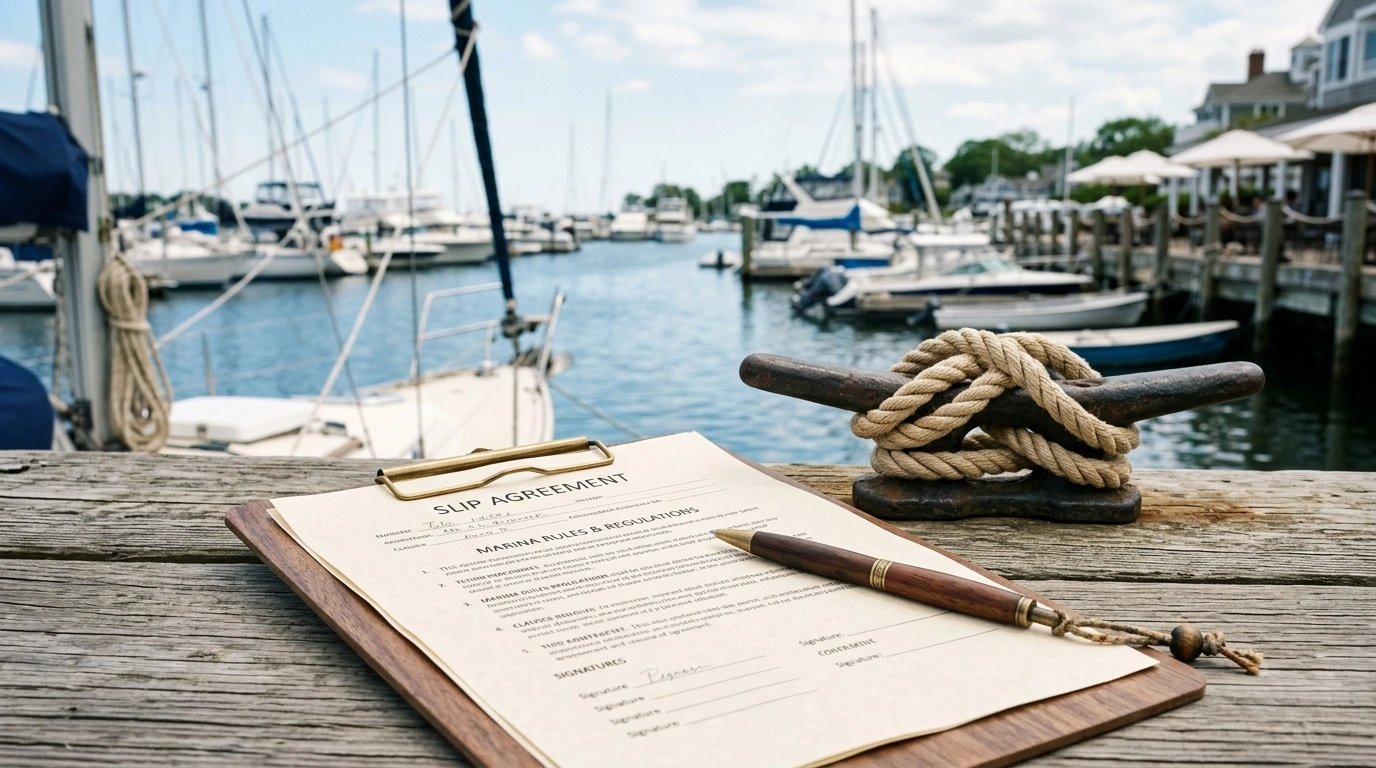
Some marina contracts are personal to the account holder and cannot simply be transferred in a divorce. The marina's own rules may control whether the slip can be assigned, renewed, or shared after separation.
Deposits, Fees, and Renewal Terms
A slip agreement may involve prepaid fees, seasonal charges, deposits, or waiting-list value. Those details can affect whether the interest has economic value or is mainly a convenience issue that should be handled in settlement terms.
Waterfront Access Questions
If the boat is tied to a jointly owned home, private pier, or other waterfront arrangement, the asset analysis becomes broader. The question may not just be who gets the vessel, but whether the spouse keeping it will still have practical access to use and store it.
Related Maritime Personal Property Should Not Be Ignored
Boat-related property often gets scattered across garages, docks, sheds, and storage units. That can make it easy to undervalue or completely miss important items during equitable distribution.
Electronics, Gear, and Equipment
GPS systems, trolling motors, radios, trailers, lifts, and navigation equipment can add up quickly. These items may be marital property even if they were bought separately over time.
Safety and Recreational Equipment
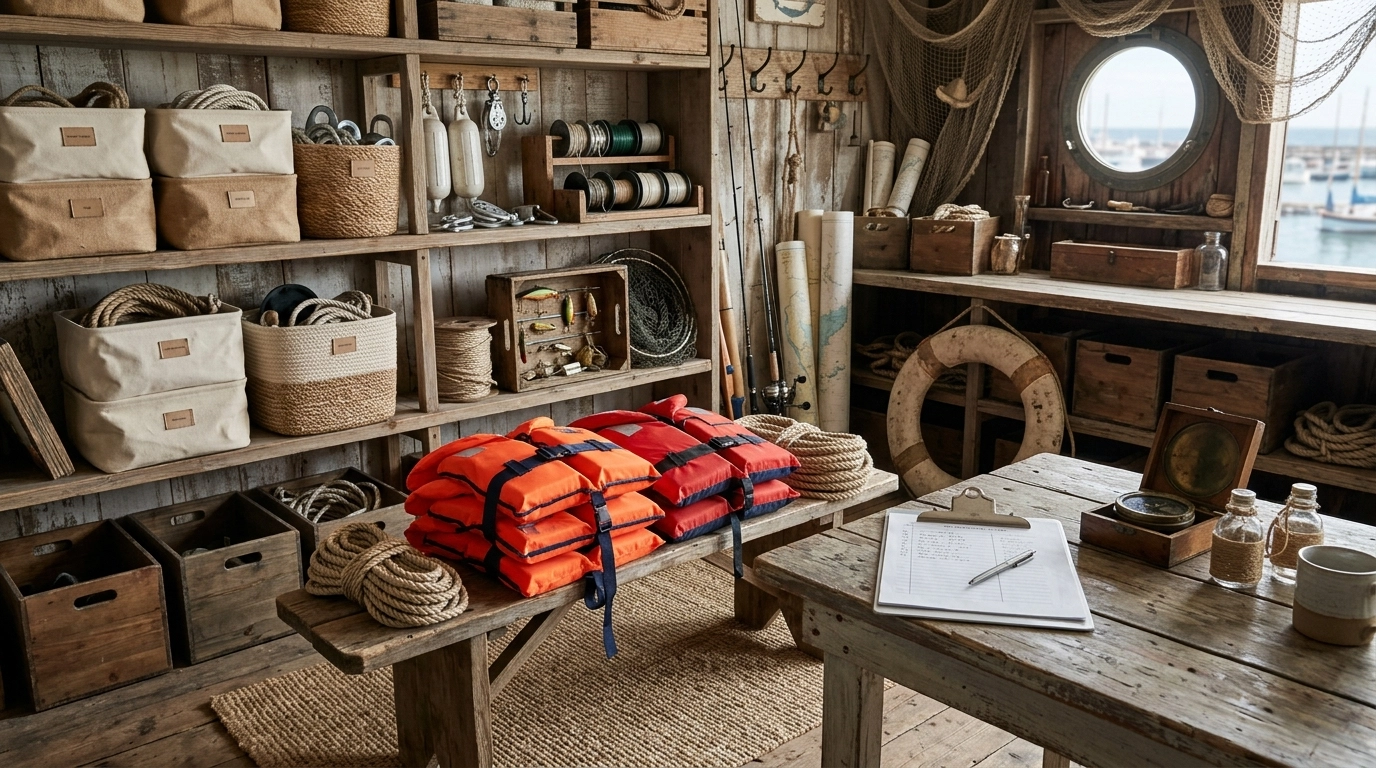
Life jackets, anchors, tools, coolers, fishing equipment, and water sports gear may seem minor on their own. Together, they can represent a meaningful amount of personal property that should be inventoried carefully.
Business or Charter Use
If the boat was used for income-producing activity, the analysis may become even more detailed. The court may need to consider records tied to revenue, expenses, depreciation, and whether the vessel is linked to a closely held business.
Westmoreland County and Northern Neck Practical Issues
Property division always happens under Virginia law, but local facts matter. In Westmoreland County, maritime assets are often tied to lifestyle patterns and local marina realities that make standard property checklists feel incomplete.
Seasonal Use and Timing
A boat's marketability may rise or fall depending on the time of year. If divorce negotiations happen in the off-season, one spouse may argue the asset should be valued differently than it would be during peak boating months.
Documentation Gaps
Titles, repair invoices, dock receipts, insurance records, and registration details are not always organized in one place. That can make it harder to prove who paid for what and whether an item should be treated as marital or separate.
Practical Ownership After Divorce
Sometimes the cleanest answer is not shared ownership but a clear buyout. Former spouses who continue to co-own boats, slips, or marina obligations after divorce often run into new disputes about access, maintenance, payment, and insurance.
Negotiating a Smart Division Strategy
Not every boat case belongs in a courtroom fight. In many situations, a practical agreement saves time, stress, and unnecessary expense. The strongest strategy usually starts with knowing the full picture before making quick demands.
Start With a Full Inventory
List the vessel, trailer, title documents, debt, upgrades, marina agreements, and related gear. A complete inventory gives both sides a clearer starting point and reduces the chance that important items get left out.
Focus on Net Value
It is easy to argue over the boat's gross value while ignoring upkeep, storage, fuel, insurance, and loan balances. Looking at net value often leads to better settlement decisions.
Match the Asset to the Right Owner
Sometimes the best outcome is for the spouse who actually uses, maintains, and can afford the boat to keep it, while the other spouse receives a fair offset in different property. That approach can reduce future conflict and preserve overall fairness.
Frequently Asked Questions
Is a boat considered marital property in Virginia?
It can be. If the boat was acquired during the marriage with marital funds, it is often marital property. If it was owned before marriage or acquired by inheritance or separate funds, some or all of it may be separate property depending on the facts.
Can a marina slip be divided in a divorce?
Sometimes, but not always directly. A slip agreement may have value, yet the marina's contract terms may control whether it can be transferred or reassigned. That is why the contract itself matters.
Do I need a formal appraisal for a boat?
Not in every case. However, if the vessel is valuable or there is a major disagreement about condition or price, a marine appraisal or survey can provide a more reliable number.
What if my spouse says the boat is worth much less than it really is?
That is a common dispute. Documentation such as listings, marine surveys, repair records, insurance schedules, and loan statements can help build a more accurate value picture.
Who pays the boat loan after separation?
That depends on temporary agreements, court orders, and the final property division. Even if one spouse is supposed to pay, the lender is not bound by the divorce decree if both names remain on the loan.
Are boat accessories included in equitable distribution?
Often yes. Trailers, electronics, safety equipment, fishing gear, and other related items may all be part of the marital property analysis.
Can we keep co-owning the boat after divorce?
You can agree to that, but it often creates problems. Shared post-divorce ownership can lead to new disputes about scheduling, repairs, insurance, and storage costs.
Does local boating culture in Westmoreland County matter?
It can matter in a practical sense. In the Northern Neck, boating assets are often more central to family finances and lifestyle than they might be elsewhere, so careful documentation and realistic valuation become especially important.
Charting a Practical Path Forward
Maritime asset division in a Westmoreland County divorce is rarely just about a boat. It is about value, access, debt, contracts, and what makes sense for your life after the case is over. When you look closely, marina rights, equipment, and upkeep costs can matter just as much as the vessel itself.
Every family law matter is different. The best way to understand what your case may involve is to schedule a confidential consultation with our office. Shawna L. Stevens PLLC has been helping families in Fredericksburg and surrounding Virginia communities for over 20 years, offering thoughtful guidance through difficult transitions.
If you have questions about your specific situation, Shawna L. Stevens is here to help. Contact our Fredericksburg office to schedule a confidential consultation at (540) 310-4088.
For guidance on your specific situation, contact a Virginia property division attorney at Shawna L. Stevens PLLC. Call (540) 310-4088 or use the contact form to schedule a confidential consultation.
Concerned about how your property will be divided? With more than 20 years of experience in Virginia family law, Shawna L. Stevens can help. Learn more from an experienced Fredericksburg property division lawyer or call (540) 310-4088 to schedule a confidential consultation.