
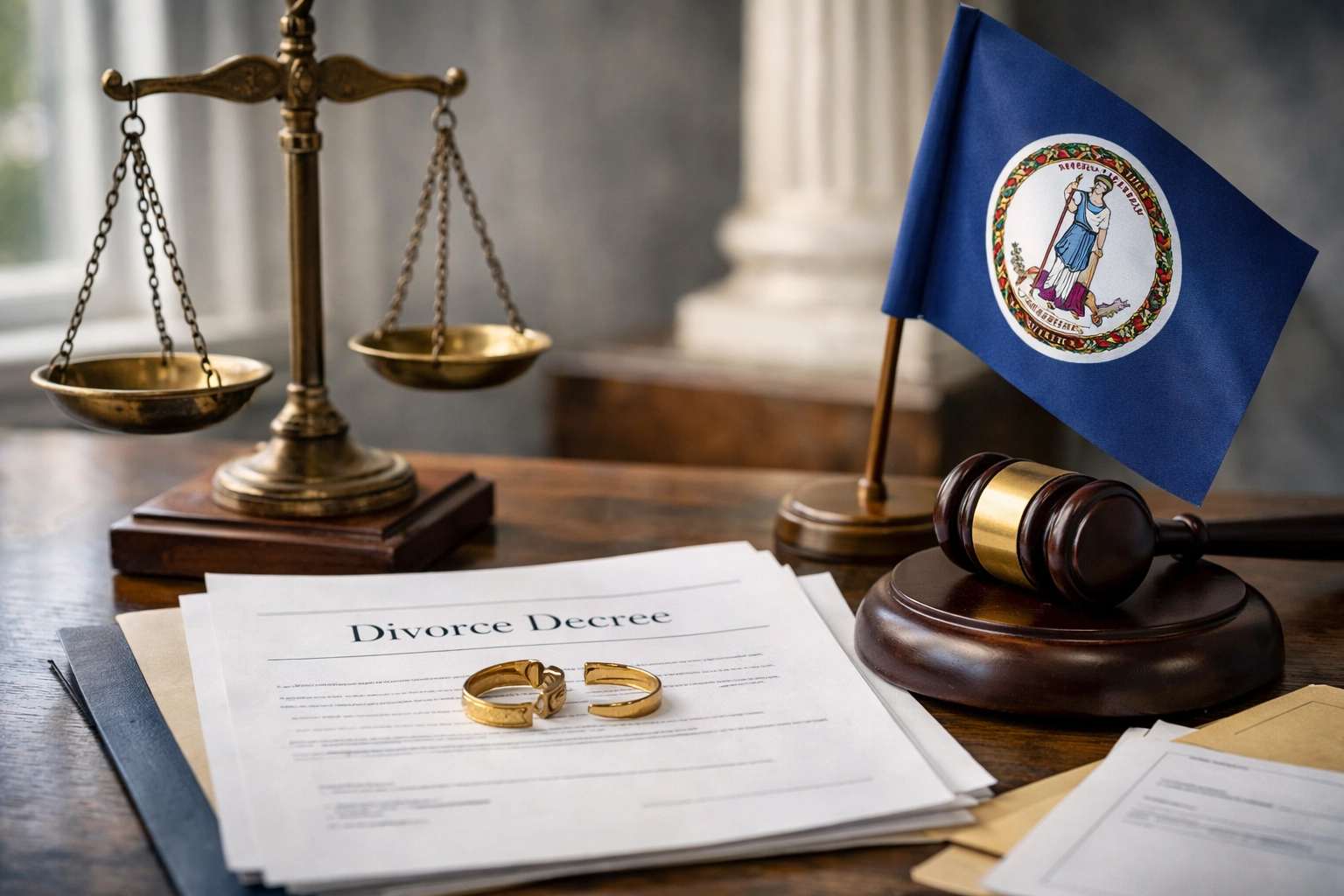
Leaving an abusive marriage in Virginia requires a strategic approach focused on immediate safety and long-term legal protection. In the Commonwealth, you have the right to file for a fault-based divorce immediately under grounds of cruelty or reasonable apprehension of bodily hurt. Unlike a no-fault divorce, there is no mandatory waiting period to file when your safety is at risk. You are also protected from claims of desertion if you leave the home to escape a dangerous environment. This guide explores your rights and the visionary path toward a life defined by peace and security.
Understanding Grounds for Divorce in Virginia Abuse Cases
When you decide to leave an abusive environment, the legal framework in Virginia provides specific pathways to end the marriage. Under Virginia Code § 20-91, a divorce may be granted for cruelty or the reasonable apprehension of bodily hurt. This is a fault-based ground that allows for an immediate filing. You do not have to wait for a six-month or one-year separation period to begin the legal process if you can demonstrate that these grounds exist.
Cruelty is not strictly defined by physical violence. In Virginia, courts have recognized that a sustained pattern of emotional abuse, severe verbal intimidation, and financial control can constitute cruelty. Furthermore, financial abuse, such as being denied access to marital funds or being forced into a standard of living far below the family’s means, is often considered a form of cruelty. Recognizing these behaviors as legal grounds is a critical first step in reclaiming your autonomy.
For more information on the complexities of ending a marriage, you may find it helpful to review 10 things to know about divorce in Fredericksburg.
Legal Rights Regarding the Marital Home and Desertion
A common concern for those leaving an abusive situation is the fear of being accused of desertion or abandonment. In Virginia, leaving the marital home to escape abuse or an environment that is detrimental to your health and safety is generally not considered desertion. You have the right to prioritize your safety without the fear of losing your legal standing in future property division or support hearings.
Additionally, the court has the authority to grant you exclusive use of the marital residence through a protective order. This means that instead of you having to find a new place to live, the court can order the abusive spouse to leave the home. This provides a sense of stability, especially when children are involved, allowing you to maintain your local ties in Stafford County or Fredericksburg while the legal process unfolds.

Securing Immediate Safety with Protective Orders
The safety of you and your children is the most urgent priority when leaving an abusive marriage. Virginia offers three types of protective orders: Emergency Protective Orders (EPO), Preliminary Protective Orders (PPO), and Permanent Protective Orders. An EPO can be issued by a magistrate or judge at any time, providing immediate protection for 72 hours. This is often the first layer of security for survivors of family abuse in the Fredericksburg region.
Following an EPO, you can petition the Juvenile and Domestic Relations District Court for a Preliminary Protective Order. This order can last up to 15 days or until a full hearing is held. A PPO can prohibit all contact from the spouse, grant you temporary possession of a vehicle, and even establish temporary child custody. Furthermore, the Stafford County and Fredericksburg Circuit Courts are equipped to handle these sensitive matters with the seriousness they deserve. Permanent Protective Orders can eventually provide protection for up to two years.
Safety Planning and Gathering Documentation
Strategic safety planning is essential before you physically leave the residence. This involves more than just a place to stay; it includes gathering the documentation necessary to support your legal case. Consequently, you should attempt to secure copies of birth certificates, social security cards, passports, and financial records. If it is safe to do so, keep a detailed log of incidents, including dates, times, and descriptions of abusive behavior.
Documentation also includes digital evidence. Save text messages, voicemails, and emails that demonstrate threats or harassment. In Virginia, this evidence is vital when seeking a fault-based divorce or a protective order. Meanwhile, consider reaching out to local Fredericksburg resources, such as Empowerhouse, which provides specialized support and safety planning for domestic violence survivors. Having a clear vision for your safety allows you to move forward with confidence.
Impact on Custody and Property Division
The presence of abuse in a marriage significantly influences how a court approaches child custody and the division of marital assets. In Virginia, the best interests of the child are the paramount concern in any custody determination. A history of family abuse is a specific factor the court must consider under Virginia Code § 20-124.3. Therefore, demonstrating a pattern of abuse can lead the court to limit the abusive parent’s visitation or require that visitation be supervised.
Regarding property division, Virginia follows the principle of equitable distribution. While the court usually starts from a place of fairness, the circumstances that led to the dissolution of the marriage, including abuse, can be considered. An abusive spouse’s conduct might justify a different division of assets, especially if the abuse had financial implications or impacted your ability to earn an income. Working with a dedicated family law professional in Fredericksburg can help you navigate these complex determinations.
Frequently Asked Questions
Can I get a protective order if there was no physical violence?
Yes, Virginia law allows for protective orders based on a reasonable apprehension of bodily injury or significant emotional distress. Threats of violence, stalking, and patterns of intimidation are grounds for a protective order even if physical contact has not yet occurred.
How long does it take to get a divorce if abuse is involved?
Because you can file on fault-based grounds like cruelty, you do not have to wait for the standard one-year separation period. However, the total time depends on the court’s schedule and whether the other spouse contests the allegations. Immediate relief via protective orders and temporary support can be obtained much faster than the final divorce decree.
Will leaving the house affect my right to the property?
No, leaving the home for your safety does not forfeit your ownership interest in marital property. Virginia law recognizes the necessity of escaping abuse. You can still seek your equitable share of the home’s value or even request temporary exclusive use of the home through court orders.
Are there local resources in Fredericksburg for immediate help?
Fredericksburg and the surrounding counties of Stafford and Spotsylvania offer several resources. Empowerhouse is a primary organization providing domestic violence assistance, including a 24-hour hotline and temporary shelter. You can also contact the local police or the magistrate’s office to initiate an Emergency Protective Order.
Does emotional abuse count as cruelty in Virginia?
Yes, emotional abuse can constitute cruelty if it is persistent and severe enough to affect your health or make the marriage intolerable. Virginia courts look at the cumulative effect of the behavior to determine if it meets the legal standard for fault-based divorce.
Embracing a New Beginning
Leaving an abusive marriage is a courageous act of self-preservation and a visionary step toward a better future. By understanding your legal rights in Virginia, from protective orders to fault-based divorce grounds, you empower yourself to break the cycle of harm. The legal system in the Fredericksburg area provides the tools necessary to secure your safety and protect your children. As you transition into this new chapter, remember that you are building a foundation of strength and independence.
If you have questions about your specific situation, Shawna L. Stevens is here to help. Contact our Fredericksburg office to schedule a confidential consultation at (540) 310-4088.
For more information, explore our Protective Order Attorney In Fredericksburg Va or Divorce Lawyer In Fredericksburg Va service pages.
If you have questions about your situation, contact a protective order attorney in Fredericksburg at Shawna L. Stevens PLLC. Call (540) 310-4088 or use the contact form to schedule a confidential consultation.
Going through a divorce in the Fredericksburg area? With more than 20 years of experience in Virginia family law, Shawna L. Stevens can help. Learn more from an experienced divorce lawyers in Fredericksburg VA or call (540) 310-4088 to schedule a confidential consultation.