
If you are facing a hearing at the Stafford County Juvenile and Domestic Relations District Court, often referred to as the stafford jdr court, it is natural to feel a mix of anxiety and uncertainty. Whether your case involves child custody, support, or a family-related matter, understanding the local procedures can help you feel more prepared and confident as you walk through the courthouse doors. This guide is designed to provide you with a clear roadmap of what to expect when you arrive at 1300 Courthouse Road in Stafford, Virginia.
Quick Answer
The Stafford County Juvenile and Domestic Relations District Court is located at 1300 Courthouse Road, Stafford, VA 22554. Visitors should arrive at least 30 to 45 minutes before their scheduled hearing to allow for parking and security screening. Most hearings involve child custody, visitation, or support, and you should bring a government-issued photo ID, your court summons, and any relevant documentation. Electronic devices must be silenced and their use is restricted inside the courtrooms.
Arrival and Parking at the Stafford County Courthouse
Visitors to the Stafford County JDR Court should plan to arrive well in advance of their scheduled hearing time to navigate the parking and security process without rushing. The courthouse is part of a larger government complex, and finding a convenient spot can take longer than expected during peak morning hours.
Locating the Court Complex
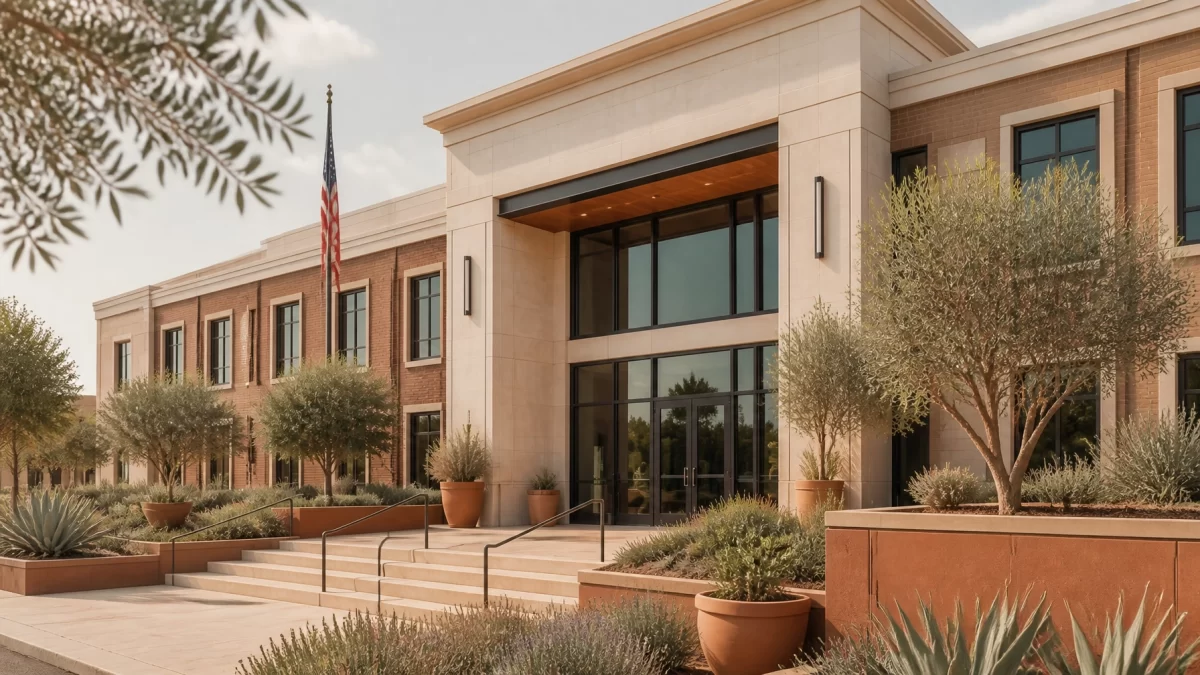
The courthouse is located in the heart of Stafford County near the intersection of Courthouse Road and Jefferson Davis Highway. The building itself is a prominent structure within the government center. If you are coming from Fredericksburg or other surrounding areas, the complex is easily accessible from Interstate 95. You should look for signage directing you specifically toward the Stafford County Circuit Court and the JDR Court buildings.
Parking Availability and Timing
Parking is generally available in large surface lots surrounding the courthouse complex. While parking is free, these lots serve multiple county offices and three different courts, meaning spaces can fill up quickly. Arriving early ensures you have enough time to find a spot and walk to the main entrance. Many individuals find that arriving at 8:30 a.m. for a 9:00 a.m. hearing provides a necessary cushion for any unexpected delays.
Accessibility and Entry Points
The courthouse features accessible parking and entry points for individuals with mobility challenges. There is a single main entrance for the public where security screening takes place. If you require specific accommodations, it is helpful to contact the clerk's office in advance or speak with a deputy upon arrival. The staff is generally helpful in ensuring that all visitors can navigate the building safely.
Security Screening Procedures at Stafford JDR
Every person entering the Stafford County JDR Court must pass through a security checkpoint managed by the Stafford County Sheriff's Office. This process is similar to airport security and is designed to ensure the safety of all court participants and staff.
What to Leave in Your Vehicle
To expedite your entry, you should leave all prohibited items in your vehicle. This includes weapons of any kind, such as firearms, knives, or pepper spray. Additionally, sharp objects like scissors, metal nail files, or large tools are not permitted. If you are unsure about an item, it is best to leave it behind. Bringing only essential items like your keys, wallet, and legal paperwork will make your screening process much smoother.
The Electronic Device Policy
The court has strict rules regarding the use of cell phones and other electronic devices. While you are generally allowed to bring your phone into the building, it must be turned off or silenced before you enter a courtroom. Using a phone to take photos, record audio, or capture video inside the courthouse is strictly prohibited without prior judicial authorization. Many judges prefer that phones remain completely out of sight while court is in session.
Clearing the Metal Detector
When you reach the front of the security line, you will need to place your bags, keys, and metal objects into a bin for x-ray screening. You will then walk through a metal detector. It is helpful to wear shoes that are easy to walk in and avoid excessive metal jewelry or large belt buckles that might trigger the alarm. Following the instructions of the deputies with patience will help maintain a professional and calm atmosphere for everyone.
Checking In for Your Stafford JDR Hearing
Once you have cleared security, your next step is to locate the correct courtroom and let the court know you have arrived. The JDR court handles a high volume of cases, so staying organized is key to a successful check-in.
Finding Your Courtroom Number
Electronic monitors or paper dockets are usually posted in the hallways near the clerk's office or the courtroom entrances. These dockets list the names of the parties and the assigned courtroom for each case. In Stafford, JDR cases are often grouped into morning and afternoon sessions. If you cannot find your name on the list, do not panic. You can visit the clerk's office window for assistance.
The Role of the Court Deputies
Deputies are stationed throughout the courthouse to maintain order and assist the public. They can often provide directions to the specific floor or wing where your hearing will take place. In the JDR court, privacy is a high priority, so deputies may ask for your name and the nature of your case before allowing you to enter certain areas. They are there to ensure the environment remains respectful and secure.
Checking In With the Courtroom Clerk
When you find the correct courtroom, you may need to check in with the courtroom clerk or a bailiff inside. Some judges prefer that you wait in the hallway until your case is called, while others allow parties to sit in the gallery. If your attorney is present, they will usually handle the check-in process for you. If you are representing yourself, listen for instructions on whether to provide your name to the clerk immediately upon arrival.

Inside the Stafford County JDR Courtroom
The atmosphere inside a courtroom is formal and requires a specific level of decorum. Knowing how to conduct yourself can positively impact how the court perceives your readiness and respect for the legal process.
Courtroom Decorum and Dress Code
You should dress in a manner that reflects the seriousness of the proceedings. Business casual attire is usually appropriate. This might include a collared shirt, slacks, or a modest dress. Avoid wearing hats, sunglasses, or clothing with offensive language. Inside the courtroom, you should remain quiet and avoid talking to others while the judge is on the bench. This professional approach helps maintain the calm, sage-like focus required for legal deliberations.
Proper Ways to Address the Court
When it is your turn to speak, you should stand and address the judge as Your Honor. Speak clearly and directly into the microphone if one is provided. It is important to wait until the judge or the other party has finished speaking before you respond. Interrupting can be seen as a lack of respect and may result in a warning from the bench. If you have documents to present, ask the judge for permission to approach the clerk or the bailiff.
Who is Allowed in the Courtroom
Because JDR cases involve juveniles and sensitive domestic matters, the courtroom is often closed to the general public. Only the parties involved, their attorneys, and witnesses are typically permitted inside. If you brought family members or friends for support, they may be required to wait in the hallway. Children are generally not allowed in the courtroom unless they are specifically required to testify or participate in the hearing.
The Role of the Judge and Personnel
Understanding who the key figures are in the courtroom can help you follow the flow of your hearing. Each person has a specific role in ensuring that the law is applied fairly.
Understanding the Judge's Authority
The judge has the final say in all matters presented during the hearing. In the JDR court, judges have significant discretion to make decisions based on the best interests of the child. This standard is defined under Va. Code Section 20-124.3, which outlines the factors the court must consider. The judge's role is to listen to the evidence, apply Virginia law, and issue an order that resolves the dispute before them.
Working With Guardians ad Litem
In many child custody cases, the court appoints a Guardian ad Litem, or GAL. This is an attorney whose job is to represent the best interests of the child. The GAL will often conduct interviews with the parents and the child before the hearing. During the trial, the GAL may cross-examine witnesses and provide a recommendation to the judge. Their input is often given significant weight by the court.
The Function of the Court Bailiff
The bailiff is a deputy sheriff responsible for maintaining security and order within the courtroom. They announce the judge's entry, swear in witnesses, and manage the movement of documents. If you have a question about where to sit or how to present an exhibit, the bailiff is the person to ask. They ensure that the proceedings move forward smoothly and that everyone follows the court's rules.
Handling Child Custody and Support Matters
The majority of family law cases in Stafford JDR involve child custody lawyers in Fredericksburg, Virginia assisting parents with parenting plans and financial support. These issues are deeply personal and require a compassionate but firm legal approach.
Custody Determinations in Stafford
When a judge decides on custody, they look at the history of the relationship between the parents and the child. Factors include the age and health of the child, the needs of the child, and each parent's ability to support the child's emotional and intellectual development. The court may grant sole custody or joint custody, depending on what will best serve the child's long-term stability. Shawna L. Stevens PLLC has over 20 years of experience helping parents navigate these complex standards.
Child Support Guidelines in Virginia
Child support is calculated using a specific formula set by the state. Under Va. Code Section 20-108.2, the court considers the gross income of both parents, the cost of health insurance, and childcare expenses. Providing accurate financial information is essential for a fair determination. If you are seeking child support guidance, it is important to have all pay stubs and tax records ready for review by the court.
Mediation Opportunities in Stafford County
Before a case goes to trial, the court may refer the parties to mediation. This is a confidential process where a neutral third party helps the parents reach an agreement without a judge's intervention. Mediation can often result in a more flexible and creative parenting plan than a court order. If an agreement is reached, it is put into writing and submitted to the judge for approval, often saving time and emotional stress.

Managing Your Expectations on Court Day
Going to court is rarely a quick process. Preparing yourself for the logistical realities of a court day can help reduce the frustration that often comes with waiting.
The Reality of Court Dockets
Court dockets are often crowded, and multiple cases may be scheduled for the same time block. This means that even if your hearing is set for 9:00 a.m., your case might not be called until 10:30 a.m. or later. Judges must prioritize emergency matters or cases that are ready to move forward quickly. Staying patient and remaining in the designated waiting area is necessary so that you do not miss your case when it is finally called.
Waiting Times and Delays
Delays can happen for many reasons, including a previous case running longer than expected or the need for a judge to handle administrative matters. It is a good idea to bring a book or something quiet to do while you wait in the hallway. However, you must remain alert and ready to enter the courtroom as soon as your name is announced. Taking a deep breath and focusing on your goals for the day can help you stay grounded.
Preparation for Future Hearings
Not every issue is resolved in a single hearing. Many cases involve multiple appearances, such as an initial status conference, a motion for temporary orders, and eventually a final trial. If the judge asks you to return on a future date, make sure you write down the information clearly and understand what tasks you need to complete before then. Consistent preparation is the hallmark of a strong legal strategy.
Families throughout the Fredericksburg region, from Stafford and Spotsylvania to King George, Caroline, Orange, and Westmoreland, have relied on Shawna L. Stevens PLLC for over 20 years. Shawna L. Stevens (VSB No. 65992) has practiced family law in Fredericksburg, Virginia for more than 20 years, representing clients across Stafford, Spotsylvania, King George, Caroline, Orange, and Westmoreland counties from her office at 307 Lafayette Boulevard, Suite 200, Fredericksburg, Virginia 22401. As a Fredericksburg family law attorney with over two decades of local court experience, Shawna L. Stevens provides the compassionate authority needed during difficult transitions.
Facing a hearing at the Stafford JDR Court can be overwhelming, but you do not have to do it alone. Shawna L. Stevens is ready to provide the guidance and representation you deserve. Whether you are dealing with custody, support, or other family law matters, Shawna L. Stevens PLLC offers the local knowledge and personalized strategy you need.
Please note that our consultation fee is a standalone charge for professional analysis and is not applied as a credit toward future legal fees. Contact our Fredericksburg office today at (540) 310-4088 to schedule a confidential consultation and take the first step toward a resolution.
Frequently Asked Questions
What should I wear to my Stafford JDR hearing?
You should wear professional, conservative clothing such as business casual attire to show respect for the court. Avoid wearing shorts, flip-flops, tank tops, or clothing with logos or slogans that could be considered inappropriate for a legal setting. Shawna L. Stevens PLLC recommends dressing as you would for a job interview to ensure a positive first impression on the judge and court staff.
Can I bring my children to the Stafford JDR courthouse?
It is generally best to find childcare for your children unless the court has specifically ordered them to be present for a hearing or an interview. The JDR court environment can be stressful for children, and they are usually not permitted inside the courtroom during the proceedings. If a child's testimony is required, the judge may conduct an in-camera interview in chambers rather than having the child appear in the open courtroom.
How do I check the status of my case at Stafford JDR?
You can check the status of your case by contacting the Stafford Juvenile and Domestic Relations District Court clerk's office directly or by visiting the Virginia Judicial System website. Case information for JDR matters is often restricted for privacy, so you may need to provide your case number or valid identification to receive detailed updates. Shawna L. Stevens regularly assists clients in tracking their case progress and ensuring all filing deadlines are met.
Is mediation required in Stafford County custody cases?
Virginia courts often encourage or require parties to attend a mediation orientation under Va. Code Section 20-124.7 to see if a voluntary agreement can be reached. While you cannot be forced to agree to a specific outcome in mediation, participating in the process in good faith is often looked upon favorably by the court. Mediation provides a private setting to discuss terracotta-level details of a parenting plan that a judge might not have time to address in a trial.
Where exactly is the Stafford JDR Court located?
The Stafford JDR Court is located within the courthouse complex at 1300 Courthouse Road, Stafford, VA 22554. This facility is separate from the Stafford County Circuit Court, although they are located on the same campus and share certain parking areas. Families throughout the Fredericksburg region, from Stafford and Spotsylvania to King George, Caroline, Orange, and Westmoreland, have relied on Shawna L. Stevens PLLC for guidance in navigating this specific courthouse for over 20 years.
Conclusion
Navigating the Stafford County JDR Court requires a blend of practical preparation and emotional resilience. By understanding the layout of the courthouse, the security protocols, and the expectations for courtroom behavior, you can reduce the stress of your court date. Remember that the staff and officials are there to follow a structured legal process aimed at resolving family disputes. While the process can feel slow or intimidating, being organized and respectful will always serve you well.
If you have questions about your specific situation, Shawna L. Stevens is here to help. Whether you are navigating the Virginia divorce process or seeking to modify a custody order, having a seasoned advocate can make all the difference. Contact our Fredericksburg office to schedule a confidential consultation at (540) 310-4088.
Related regional court guides: Spotsylvania JDR Court • Caroline County JDR Court • King George JDR Court • Orange County Circuit Court • Westmoreland County Court
Facing a custody matter in the Fredericksburg area? With more than 20 years of experience in Virginia family law, Shawna L. Stevens can help. Learn more from an experienced Fredericksburg child custody lawyer or call (540) 310-4088 to schedule a confidential consultation.