
When a child calls you Mom or Dad without the “step” in front, something shifts.
The relationship already exists. The love is already there. But for many families in Fredericksburg and Stafford, there comes a moment when making it official becomes the natural next step. If you are looking for an adoption lawyer Fredericksburg VA families trust, stepparent adoption is often less about paperwork and courthouse visits and more about protecting the family you have already built.
In twenty years of practicing family law, I have watched hundreds of families take this journey. The emotions are complex. The conversations are difficult. The legal process can feel overwhelming. However, what emerges on the other side is worth every challenge. This is about more than legal status. This is about permanence, security, and the kind of family foundation that lasts for generations.
Let me walk you through what this process really looks like, beyond the statutes and court forms, into the human experience of building a new family architecture.
Adoption Lawyer Fredericksburg VA: Building Something Permanent
The families who sit across from me are not seeking legal advice in the abstract. They are seeking permission to finalize what their hearts already know. Perhaps you have been raising your spouse’s child for five years. Maybe you are the one who shows up at every parent-teacher conference, every soccer game, every late-night fever. The title of stepparent no longer fits the reality of your relationship.
Stepparent adoption creates a legal bond that mirrors what you have already built emotionally. Once finalized, you become that child’s legal parent in every sense. Your rights and responsibilities are identical to those of a biological parent. The state issues a new birth certificate with your name. If something happens to your spouse, your relationship with the child continues uninterrupted.
Furthermore, this permanence extends beyond your lifetime. Inheritance rights become clear. Medical decision-making authority is unquestioned. School forms get simpler. The awkward explanations end. The architecture of your family finally matches its foundation.
The Foundation: Understanding Stepparent Adoption
Before we discuss the process, let us establish what stepparent adoption actually means in Virginia. This legal procedure permanently transfers all parental rights and responsibilities from a non-custodial biological parent to the stepparent. The biological parent’s legal relationship with the child ends completely.
This is not guardianship. This is not custody. This is the creation of a legal parent-child relationship that is indistinguishable from biology in the eyes of the law.
The biological parent who retains custody (your spouse) keeps their parental rights. Therefore, the child gains a secure two-parent household while the absent or uninvolved biological parent’s rights are terminated. For many children, this brings clarity and security. The adults in their daily life become their legal parents.
Additionally, Virginia law requires that you be married to the custodial parent and that the child has lived with you for at least six months. These requirements ensure the relationship has stability before the law makes it permanent.
Twenty Years of Watching Families Transform
In two decades of family law practice, certain patterns emerge.
The families who pursue stepparent adoption often share similar stories. A biological parent left years ago. Support payments stopped. Visits became sporadic, then ceased entirely. Meanwhile, the stepparent stepped in. Not as a replacement, but as a steady presence.
I remember one family where the stepfather had been coaching his stepdaughter’s basketball team for three years. Another case involved a stepmother who had been the primary caregiver through a serious childhood illness. These relationships were not theoretical. They were tested by time, stress, and the daily demands of raising children.
However, without legal recognition, these stepparents existed in a gray area. They could not make emergency medical decisions. Their relationship with the child depended entirely on their marriage continuing. If something happened to the custodial parent, they had no automatic rights. The uncertainty creates anxiety for everyone involved.
Stepparent adoption removes that uncertainty. The transformation I witness in the weeks following finalization is profound. Families relax. The child gains security. The stepparent gains recognition. Everyone can move forward without the shadow of legal ambiguity.
The Emotional Architecture
The legal process of adoption is straightforward. The emotional process is anything but. Every family brings its own history, its own complications, its own wounds that have not quite healed.
For the child, feelings often run deep and contradictory. Even when a biological parent has been absent, the idea of severing that legal tie can feel enormous. Children wonder what it means about their identity, their history, their story. These concerns are valid and deserve space.
Meanwhile, the custodial parent often carries guilt. They may blame themselves for choosing the wrong partner initially. They may worry about erasing their child’s other parent from the record. They may fear judgment from extended family or friends who do not understand the decision.
The stepparent faces their own emotional landscape. They want to honor the relationship they have built without appearing to push out the biological parent. They want the child to feel secure without feeling pressured. They want legal recognition without creating family drama.
Moreover, when a non-custodial biological parent must consent or have their rights terminated, that parent experiences their own complex emotions. Even parents who have been absent often resist relinquishing their legal rights. The human heart does not always align with legal logic.
Throughout my career, I have learned that successful adoptions require honest conversations before the court process begins. Families need to discuss what this change means to everyone involved. Children old enough to understand deserve age-appropriate explanations. Extended family members may need reassurance. These conversations are difficult, but they lay the groundwork for a healthy transition.
The Legal Framework in Virginia
Virginia law structures stepparent adoption to protect children while recognizing the reality of blended families. The framework balances several competing interests: the child’s need for stability, the rights of biological parents, and the formation of new family bonds.
The starting point is eligibility. You must be married to the child’s custodial parent. The child must have resided with you for at least six months. You must be at least 21 years old. These requirements are non-negotiable and serve as the foundation for everything that follows.
Next comes the question of consent. Virginia generally requires written consent from the non-custodial biological parent. If the child is 10 years or older, they must also provide written consent. Additionally, children age 14 and older may need to appear in court to confirm their agreement.
However, the law recognizes that consent is not always possible or appropriate. Courts can proceed without consent in several circumstances: when the biological parent cannot be located after diligent search efforts, when parental rights have already been terminated, or when the parent is deemed unfit.
Unfitness is a significant legal threshold. Virginia courts consider factors such as abandonment, chronic substance abuse, mental instability that affects parenting, abuse or neglect, or incarceration. Abandonment is specifically defined as failing to provide support or maintain contact for at least six months before the adoption petition is filed.
Therefore, if a biological parent has been absent without good cause, the path forward exists even without their cooperation. The law prioritizes the child’s welfare over a distant parent’s legal rights.
When Love Meets Law: The Process
The adoption process unfolds in stages. Each stage serves a purpose, though it may not always feel that way when you are in the middle of it.
First, we verify eligibility and gather the foundational documents. Marriage certificates, birth certificates, and proof of residence establish the basic facts. This stage is straightforward but essential.
Second, we address consent. If the non-custodial parent will consent, we obtain their written agreement. If they will not consent or cannot be found, we prepare to demonstrate grounds for proceeding without consent. This stage often determines the timeline and complexity of the entire process.
Third, we file the petition for adoption with the appropriate Virginia court. The filing includes all supporting documentation and clearly states the grounds for adoption. Once filed, the legal process is officially underway.
Fourth, the court orders a home study and background check. A social worker visits your home to ensure it provides a safe, stable environment for the child. The stepparent undergoes a background check. These requirements protect children and give the court confidence in its decision.
Fifth, the court appoints a guardian ad litem to represent the child’s interests. This guardian, typically an attorney, interviews family members, reviews the case, and makes an independent recommendation to the court. The guardian’s role is to ensure the adoption serves the child’s best interests above all other considerations.
Sixth, you attend a court hearing. The judge reviews the evidence, hears testimony, and considers the guardian ad litem’s recommendation. If the judge finds that adoption serves the child’s best interests, the adoption is granted. You walk out of the courthouse as the child’s legal parent.
Finally, Virginia issues a new birth certificate reflecting the adoption. This document replaces the original birth certificate and lists the stepparent as the legal parent. For most families, receiving this new birth certificate is an emotional milestone.
The timeline for this process varies. When the non-custodial parent consents and no complications arise, the process may take several months. When consent is contested or the non-custodial parent must be located, the process can extend to a year or more.
The Non-Custodial Parent Conversation
One of the most difficult aspects of stepparent adoption is addressing the role of the non-custodial biological parent. Even when that parent has been absent for years, the decision to terminate their rights is not taken lightly.
Some non-custodial parents recognize that they have not been present and consent to the adoption. They understand that their legal rights no longer reflect their actual relationship with the child. These cases, while still emotional, proceed more smoothly.
Other non-custodial parents resist. They may have been uninvolved for years but still view themselves as the child’s parent. They may object to being “replaced” even though they have not participated in raising the child. These cases require careful legal work to demonstrate grounds for terminating parental rights over objection.
Additionally, there are situations where the non-custodial parent cannot be found. Perhaps they moved out of state years ago. Perhaps they have had no contact with the child since infancy. Virginia law requires diligent efforts to locate them, but if those efforts fail, the adoption can proceed.
Regardless of the circumstances, I counsel families to approach this aspect with compassion when possible. Even parents who have failed their children are still human beings. Treating them with basic dignity, where circumstances allow, makes the process less contentious and models grace for the children watching.
What Changes When the Court Signs
The moment the judge signs the adoption order, everything changes legally. Understanding these changes helps families appreciate the significance of what they have accomplished.
First, parental rights and responsibilities transfer completely. You become legally responsible for the child’s care, support, and wellbeing. You gain the right to make all parental decisions regarding education, healthcare, religion, and general welfare. These rights are identical to those of a biological parent.
Second, the child gains inheritance rights from you and your family. If you pass away without a will, the child inherits as your legal child under Virginia intestacy laws. They can also inherit from your parents, siblings, and other relatives as a member of your family line.
Third, your legal obligation to support the child continues until they reach adulthood or become emancipated. This obligation survives divorce from the custodial parent. Once you adopt, you are that child’s parent permanently, regardless of whether your marriage continues.
Fourth, the non-custodial biological parent’s rights and obligations end completely. They have no right to visitation, no voice in parenting decisions, and no legal relationship with the child. Simultaneously, they have no obligation to pay child support or maintain contact.
Fifth, the child’s legal identity changes. The new birth certificate reflects their adoptive family. For children who take the stepparent’s surname, this change becomes visible in every official context.
Moreover, these changes create clarity in countless daily situations. School enrollment forms become simpler. Medical emergencies no longer require tracking down an absent parent for consent. Insurance coverage extends automatically. The legal architecture finally matches the family reality.
Stories That Stay With You
In twenty years, certain cases stay with you. I remember the eleven-year-old girl who, after the adoption was finalized, asked if she could finally stop worrying that her stepdad would leave. She had been so afraid that because he was not her “real” dad, he might disappear like her biological father had.
I remember the teenage boy who broke down crying in the courthouse hallway after his adoption hearing. His stepmother had raised him since he was three. She was the only mother he really knew. But until that day, he worried that something could happen to his father and she would have no legal right to keep him. The adoption removed that fear.
I remember the military family where the stepfather had deployed three times. He had been present for this child in ways the biological father never had. Getting the adoption finalized before his next deployment gave the entire family peace of mind. If something happened to him overseas, his relationship with the child was legally protected.
These stories remind me why this work matters. Stepparent adoption is not about paperwork. It is about children feeling secure. It is about recognizing the parents who show up. It is about building family structures that can withstand life’s challenges.

About the Author
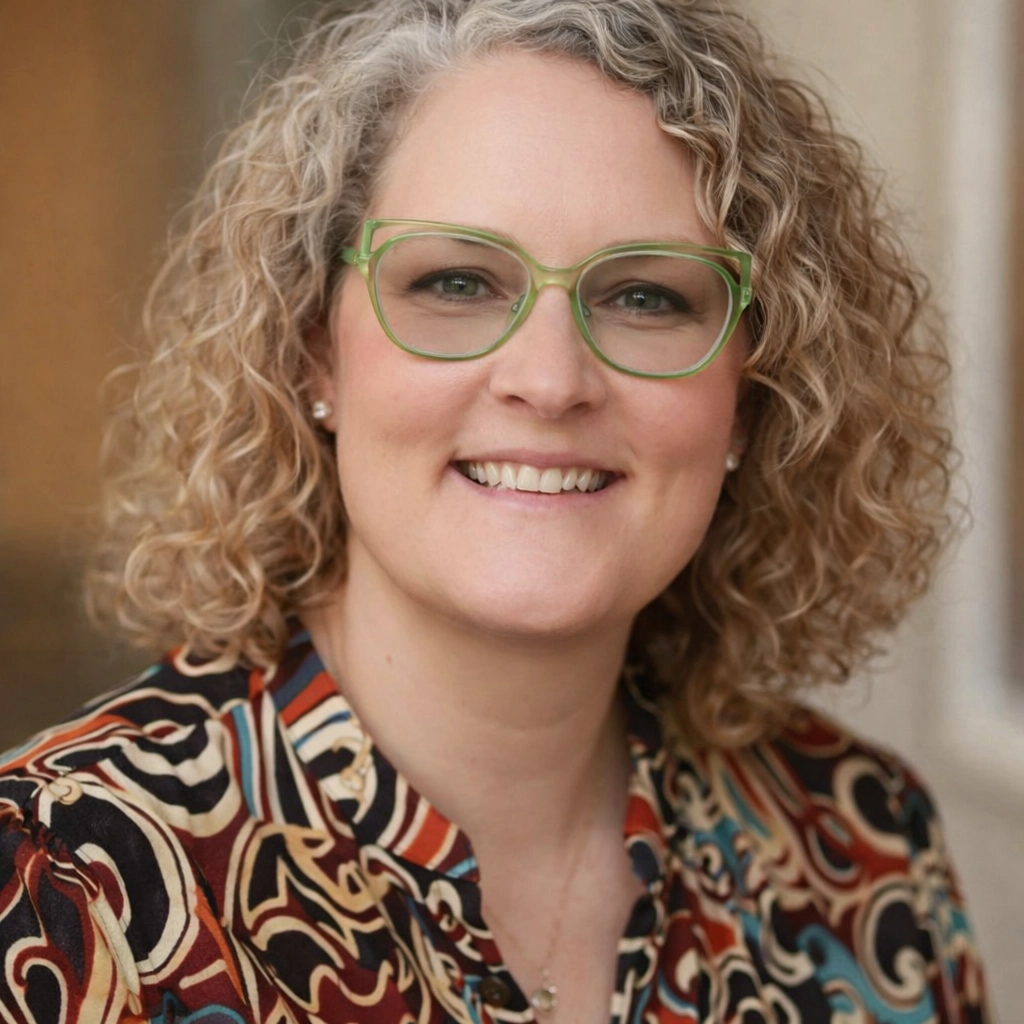
Family Law Attorney — Fredericksburg, Virginia
Shawna L. Stevens is a family law attorney with more than 20 years of experience representing individuals and families in Fredericksburg and surrounding Virginia counties. Her practice focuses exclusively on divorce, custody, support, property division, and related family law matters in Spotsylvania, Stafford, King George, and Caroline counties.
Frequently Asked Questions
How long does stepparent adoption take in Virginia?
The timeline varies based on whether the non-custodial parent consents and whether complications arise. With full cooperation, the process typically takes four to eight months from filing to finalization. Contested cases or situations requiring termination of parental rights over objection can extend to a year or longer. The home study, background checks, and court scheduling all affect the timeline.
Can we adopt if the biological parent cannot be found?
Yes. Virginia law allows adoption to proceed when a biological parent cannot be located after diligent search efforts. You must demonstrate that you made reasonable attempts to find them through last known addresses, relatives, social media, and other available resources. The court will review your search efforts before allowing the adoption to proceed without that parent’s consent.
Does the child have to consent to the adoption?
It depends on the child’s age. Children who are 10 years or older must provide written consent to the adoption. Children age 14 or older may need to appear in court to confirm their consent verbally. Younger children are not required to consent, though their preferences and feelings may be considered by the guardian ad litem and the court.
What happens if my spouse and I divorce after the adoption?
The adoption is permanent regardless of what happens to your marriage. Once you legally adopt the child, you are their parent with all rights and responsibilities. If you divorce, you will be treated exactly like any other parent in custody, visitation, and child support matters. Your legal relationship with the child continues independent of your relationship with your ex-spouse.
Can the biological parent visit after adoption?
Generally, no. Stepparent adoption terminates all legal rights of the non-custodial biological parent, including visitation rights. However, some families maintain informal contact if everyone agrees and it serves the child’s interests. These arrangements are voluntary and not legally enforceable. The adoptive parent has full discretion over whether to allow contact with the former parent.
How much does stepparent adoption cost in Virginia?
Costs vary depending on whether the case is contested. Court filing fees, home study expenses, guardian ad litem fees, and attorney costs all contribute to the total. Uncontested cases with full cooperation typically cost less than cases requiring extensive legal work to terminate parental rights over objection. Discussing expected costs with your attorney during the initial consultation helps you plan accordingly.
What if the non-custodial parent has not paid child support?
Failure to pay child support is one factor courts consider when determining abandonment. If a parent has not provided financial support for at least six months before the adoption petition is filed, and has not maintained contact with the child, Virginia courts may find abandonment and allow the adoption to proceed without that parent’s consent.
Will the child’s last name automatically change?
Not automatically. Name change is a separate legal process that can be addressed during the adoption. Many families choose to have the child take the adoptive parent’s surname, but it is not required. The child can retain their current name or hyphenate. This decision should involve the child when they are old enough to have an opinion.
Can same-sex couples pursue stepparent adoption in Virginia?
Yes. Virginia law does not distinguish between same-sex and opposite-sex married couples for adoption purposes. The same eligibility requirements, process, and rights apply regardless of the gender of the spouses. The focus is on the stability of the marriage and the best interests of the child.
What documents do we need to begin the process?
You will need marriage certificate, the child’s birth certificate, proof that the child has resided with you for at least six months, information about the non-custodial parent including their last known contact information, and documentation of any previous custody orders or child support arrangements. Your attorney can provide a complete list of required documents during your initial meeting.
Building a Legacy That Lasts
The decision to pursue stepparent adoption is not one families make lightly. It requires honest conversations, emotional courage, and patience with a legal process that cannot move as fast as the heart wants. However, what you create through this process is a family structure built to last.
Twenty years of guiding families through this journey has taught me that the technical legal work is only part of what matters. The rest is about recognizing love, honoring commitment, and giving children the security they deserve. When a family walks out of the courthouse after finalization, they carry more than a court order. They carry the official recognition of what they have built together.
If you are considering stepparent adoption in Fredericksburg or Stafford, know that you are not alone in this process. The emotional complexity is normal. The legal questions are answerable. The goal is achievable. With experienced guidance and patience, you can create the family architecture that reflects your reality and builds a legacy for generations to come.
For more information about adoption and family law matters in our area, visit our Family Law page and Adoption page or call 540-310-4088 to discuss your specific situation.
Legal Disclaimer: This blog post provides general information about stepparent adoption in Virginia and is not intended as legal advice. Every family’s situation is unique, and adoption laws contain specific requirements and exceptions that may apply to your circumstances. Please consult with a qualified family law attorney to discuss your particular case and receive advice tailored to your needs. Nothing in this article creates an attorney-client relationship.
See also: Learn more about working with a adoption lawyer in Fredericksburg VA at Shawna L. Stevens PLLC.
Related Resources
Ready to grow your family through adoption? With more than 20 years of experience in Virginia family law, Shawna L. Stevens can help. Learn more from an experienced Fredericksburg adoption lawyer or call (540) 310-4088 to schedule a confidential consultation.